
Ricoh GR IV Review: Powerful, Portable, but Pricey
The Ricoh GR IV is the most powerful camera I have used for its size and form factor. It has proven itself worthy of a spot in my camera bag because it delivers a ton of photos I am happy with. Despite that, I still have gripes with the camera that have not been fixed since previous generations, and the absurd price tag leaves me feeling conflicted about its value.
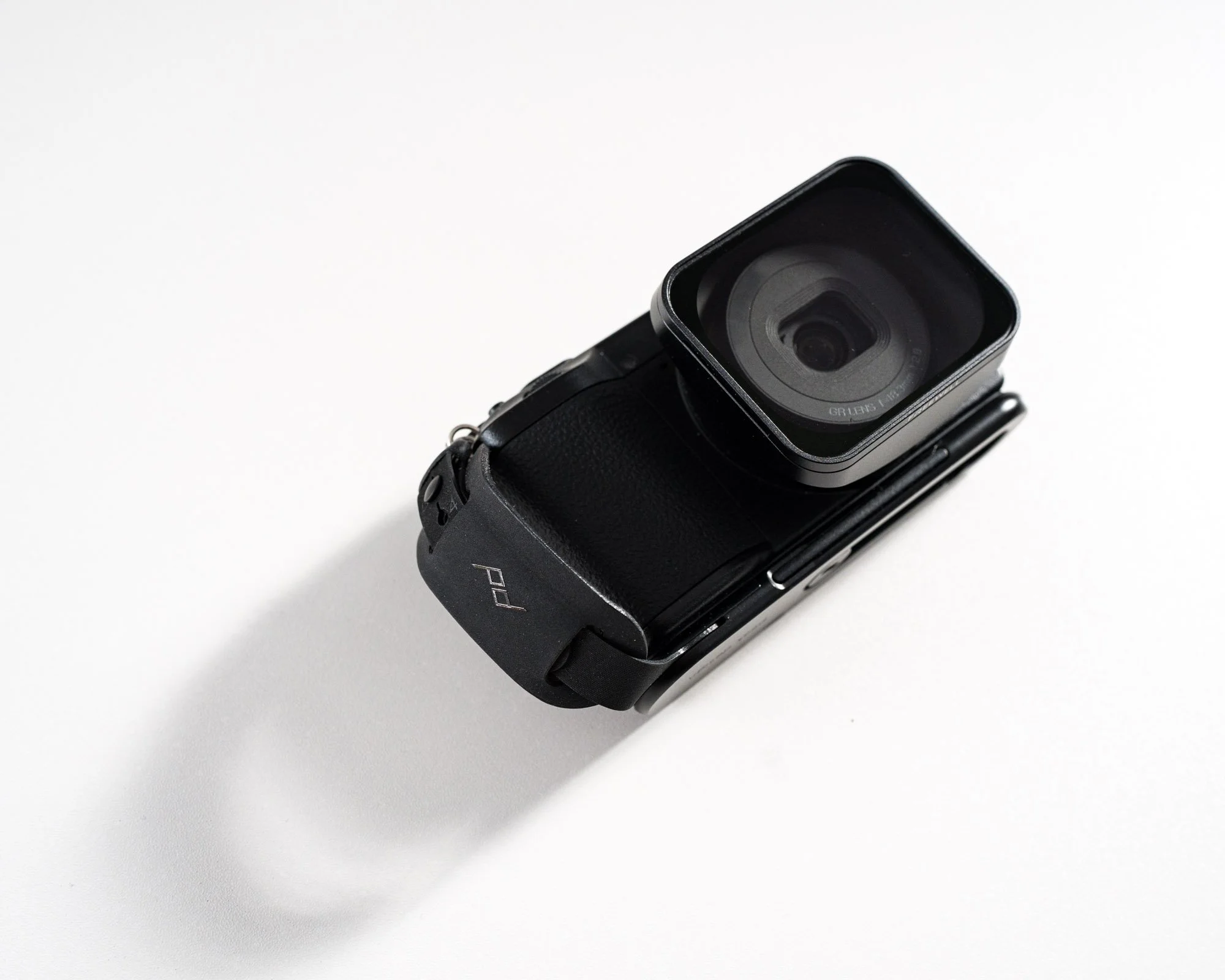
Lens Quality
28mm is my favorite focal length to shoot, so having it paired with this camera immediately allowed me to compose more seamlessly. Ricoh redesigned the lens for this version, and looking back at my results, I have been much happier with the images coming out of the GR IV compared to the Ricoh GR III. When I revisit photos from the GR III, they feel softer and carry more character. The new lens is more clinical, which is a pro for me, but it could be a con for someone who wants more feeling or aesthetic in their photos rather than pure sharpness.
The lens is permanently attached, which I have no issue with. However, the opening and closing mechanism remains unchanged. This has been a weak point in previous versions, and I will admit it makes me nervous that dust could get pulled onto the sensor and be difficult to clean. Because of this flaw, it has crossed my mind to part ways with the camera before the inevitable, but I have decided to stick it out and use it for the foreseeable future.
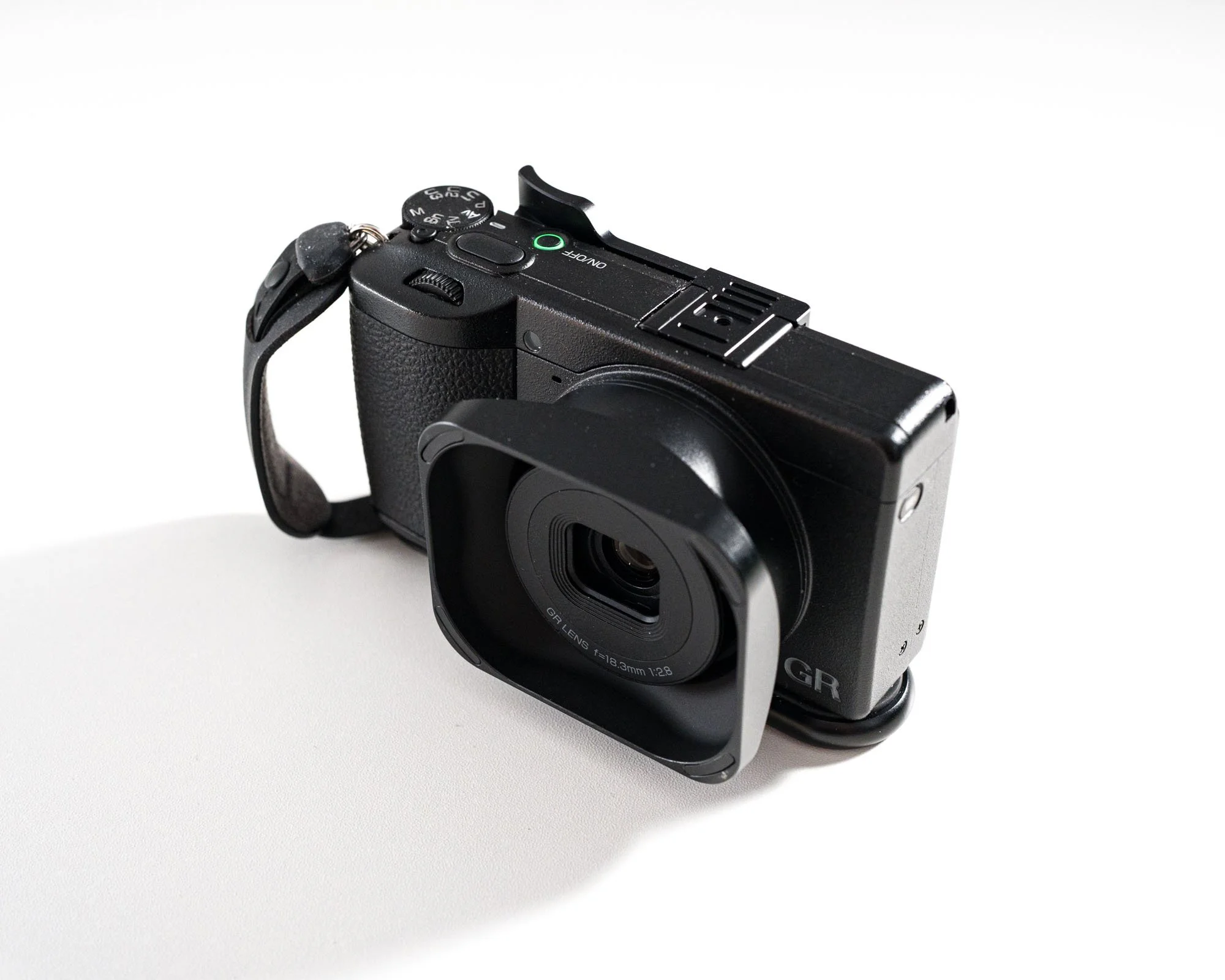
Image Quality
Compared to files from the Ricoh GR III, the RAW files coming out of this camera have been more pleasing to edit. Some of that likely comes from the increased sharpness of the lens, but the newer sensor also seems improved, especially in low light. I am not someone who is going to scientifically test dynamic range, but these images easily pass the eye test and deliver solid RAW files straight out of the camera. I have been able to apply my presets at a high value to these files and they have not fallen apart.
Build Quality
The body and grip of this camera feel really good in hand. My main issues come down to the buttons and their long term durability. They are made of plastic and have a lot of play, which makes me think they will be the first thing to wear down with hard daily use.
I also noticed some paint wear on the strap lug when I tried to fit a normal camera strap through the hole. I quickly learned that Ricoh clearly expects users to stick with slimmer straps. If you do not, you will end up scuffing the body while trying to attach one.
I feel like the internals of this camera are more fragile because of that lens mechanism so I wouldn’t want to bump this camera too much and risk it not turning on properly. Besides that, I feel that this camera is durable and the scratches that are bound to happen will make a nice patina.
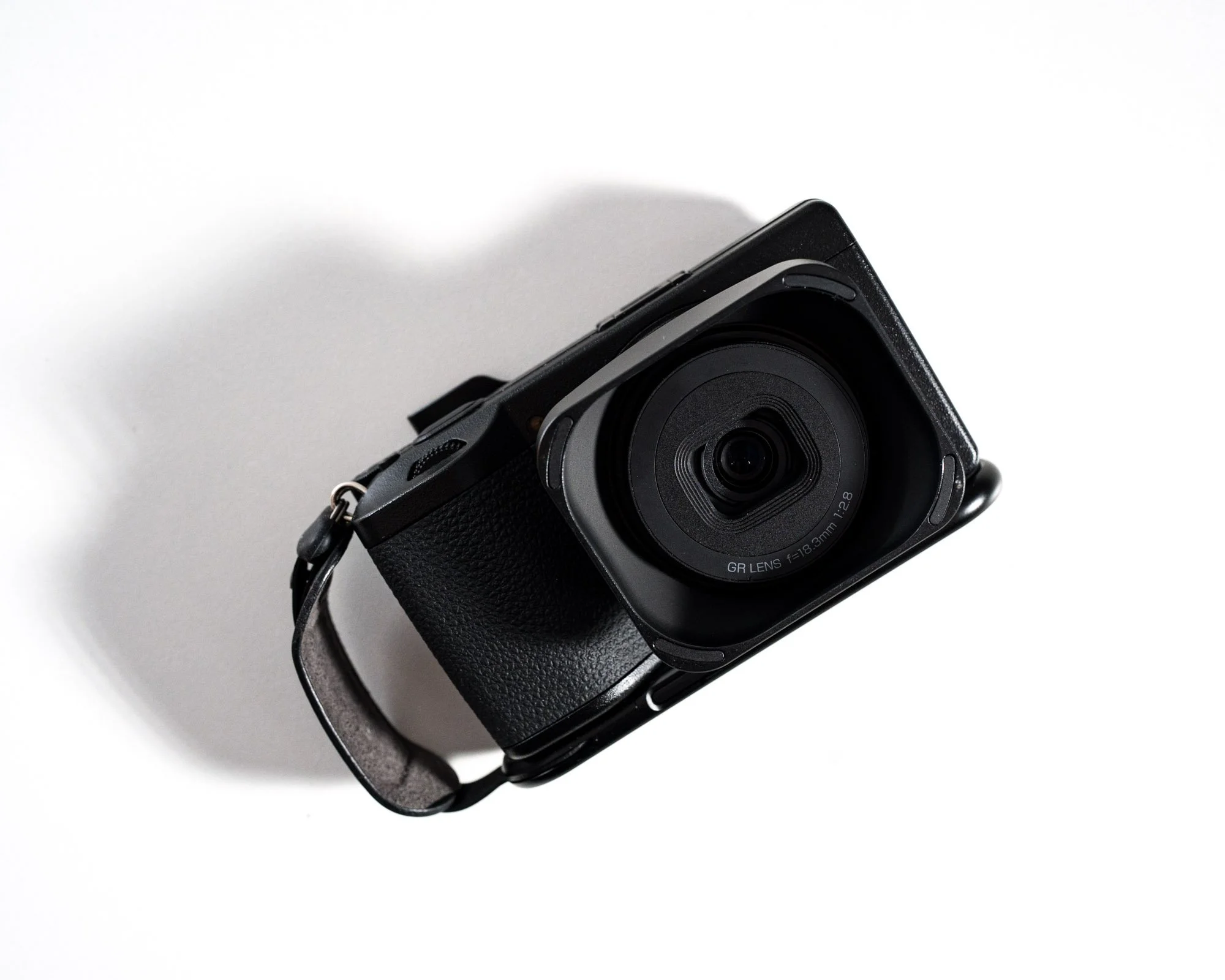
Screen
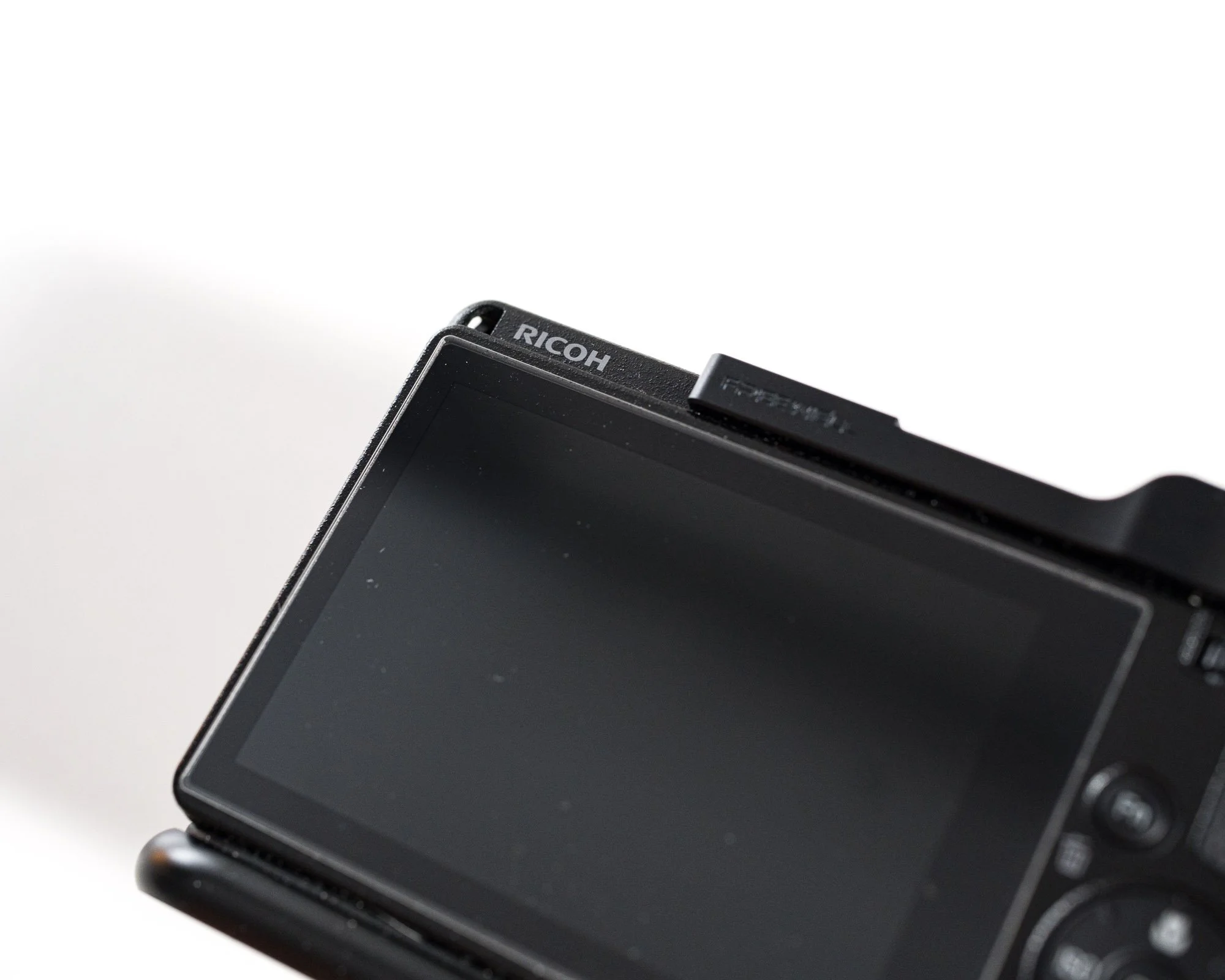
On a camera without a viewfinder, the screen becomes a much bigger point of emphasis. The GR IV’s screen is permanently fixed and does not tilt, so I end up holding the camera straight out in front of me rather than shooting from the waist or above my head. I will crouch or adjust my angle when it benefits the composition, but most of my photos end up around eye level because of this design choice. Paired with the fixed 28mm lens, this makes it easy to create a consistent body of work, which I see as a big advantage. For others, especially if this is a first camera, the lack of flexibility may feel limiting.
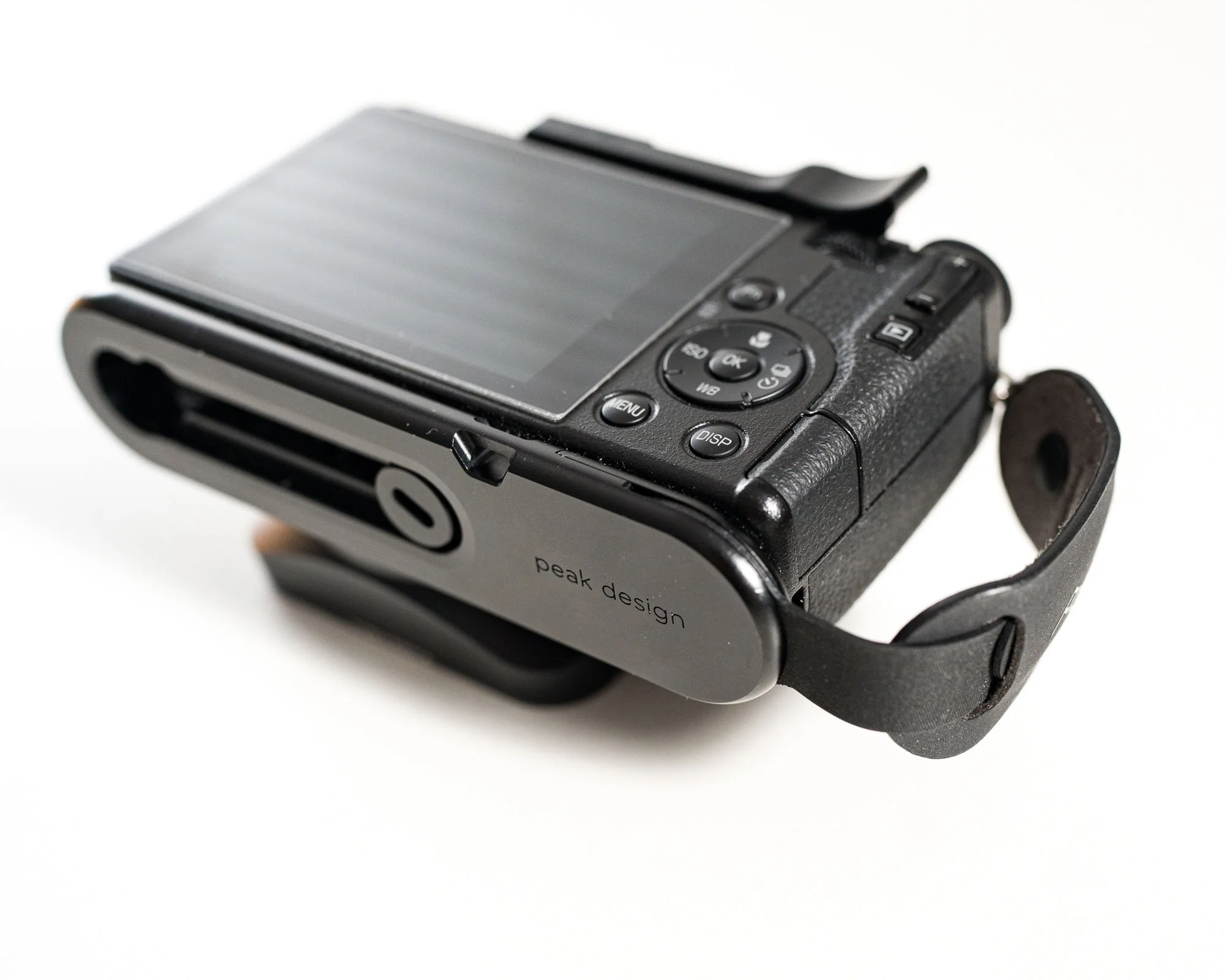
The screen gets fairly bright in daylight and I have no issues using it, though it drains battery life faster. It also appears as sharp as other cameras I’ve used, so checking focus on my images is no issue. Since the screen can’t be folded away for protection, I added a screen protector, which gives me more confidence when taking the camera out.
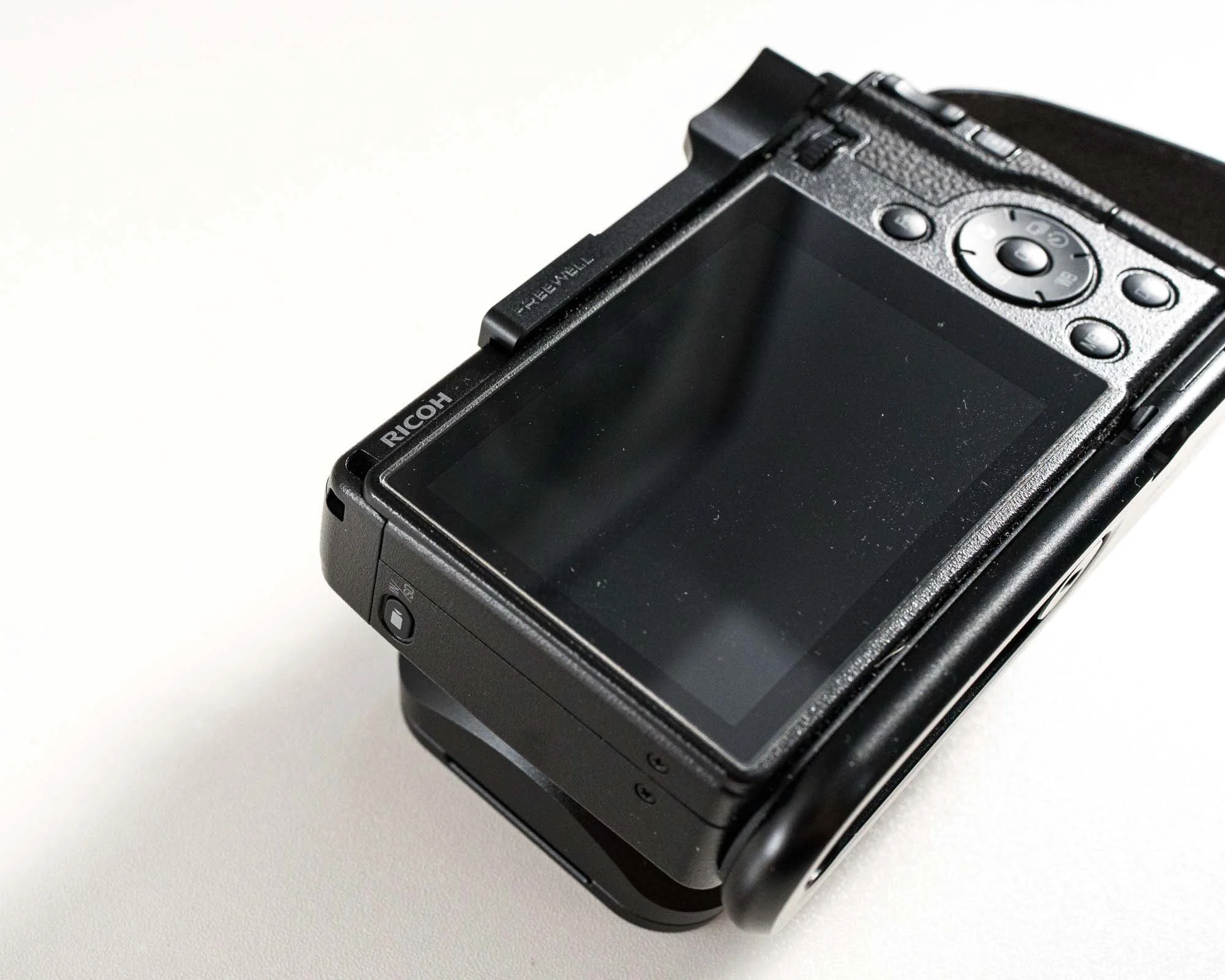
Buttons and Dials
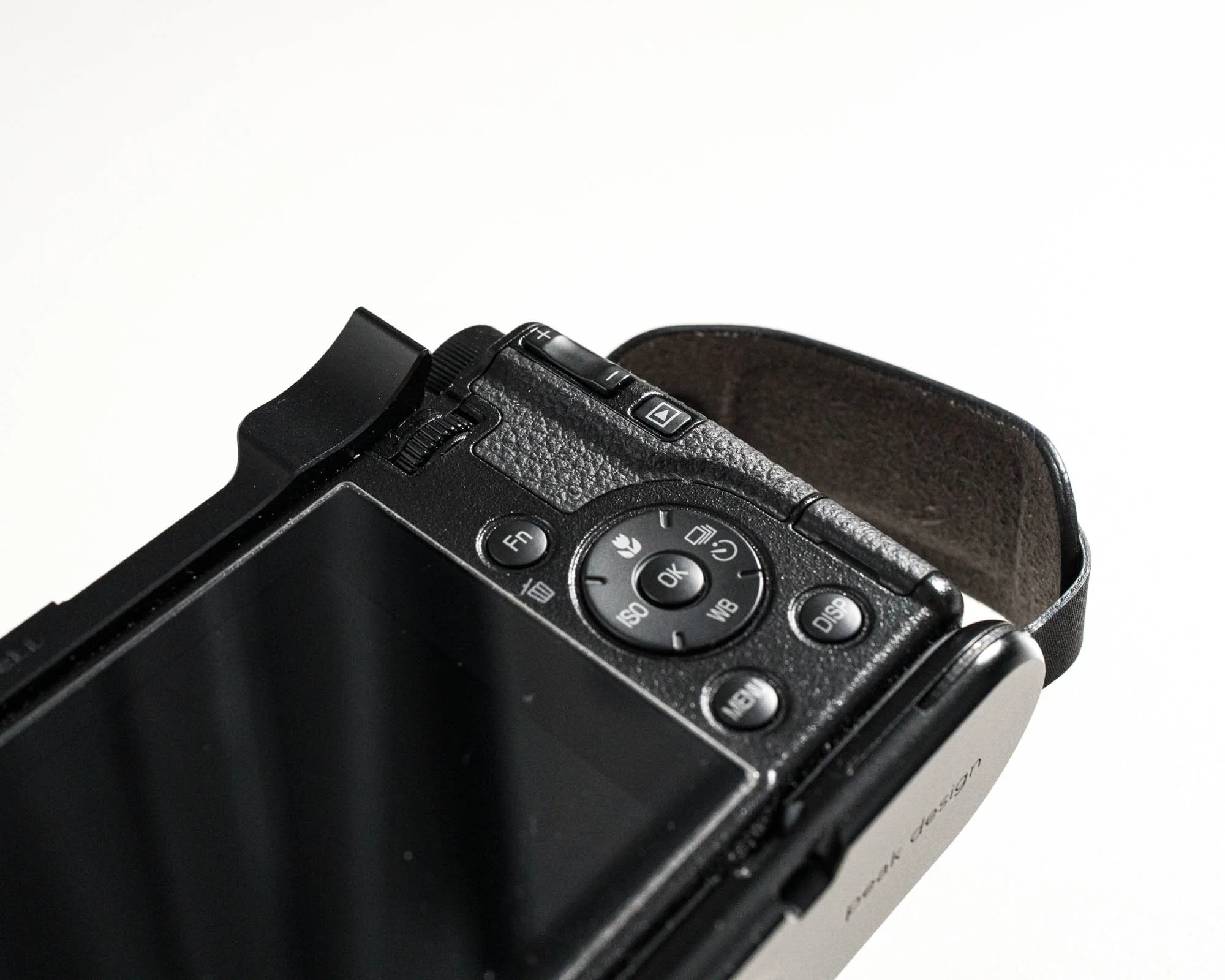
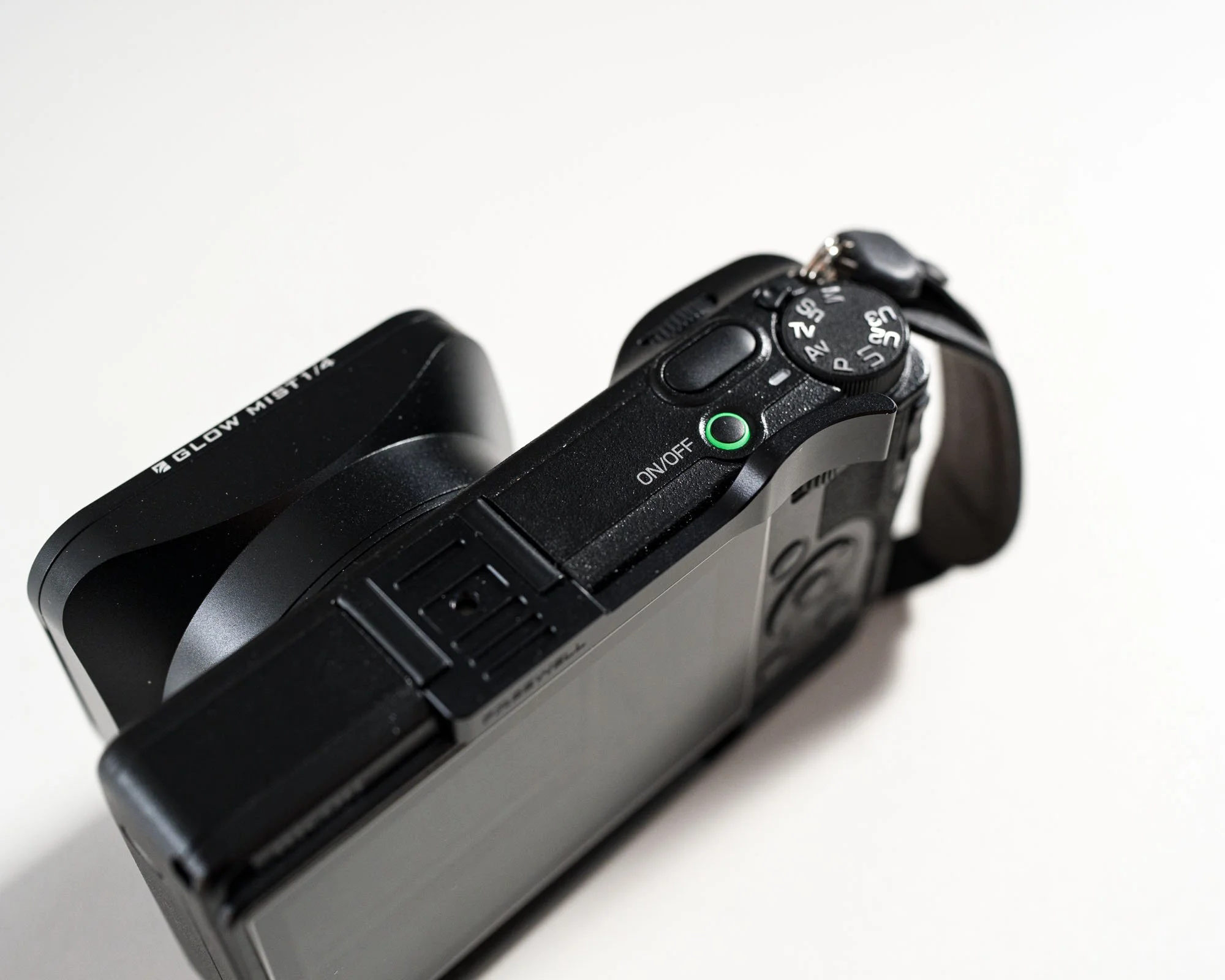
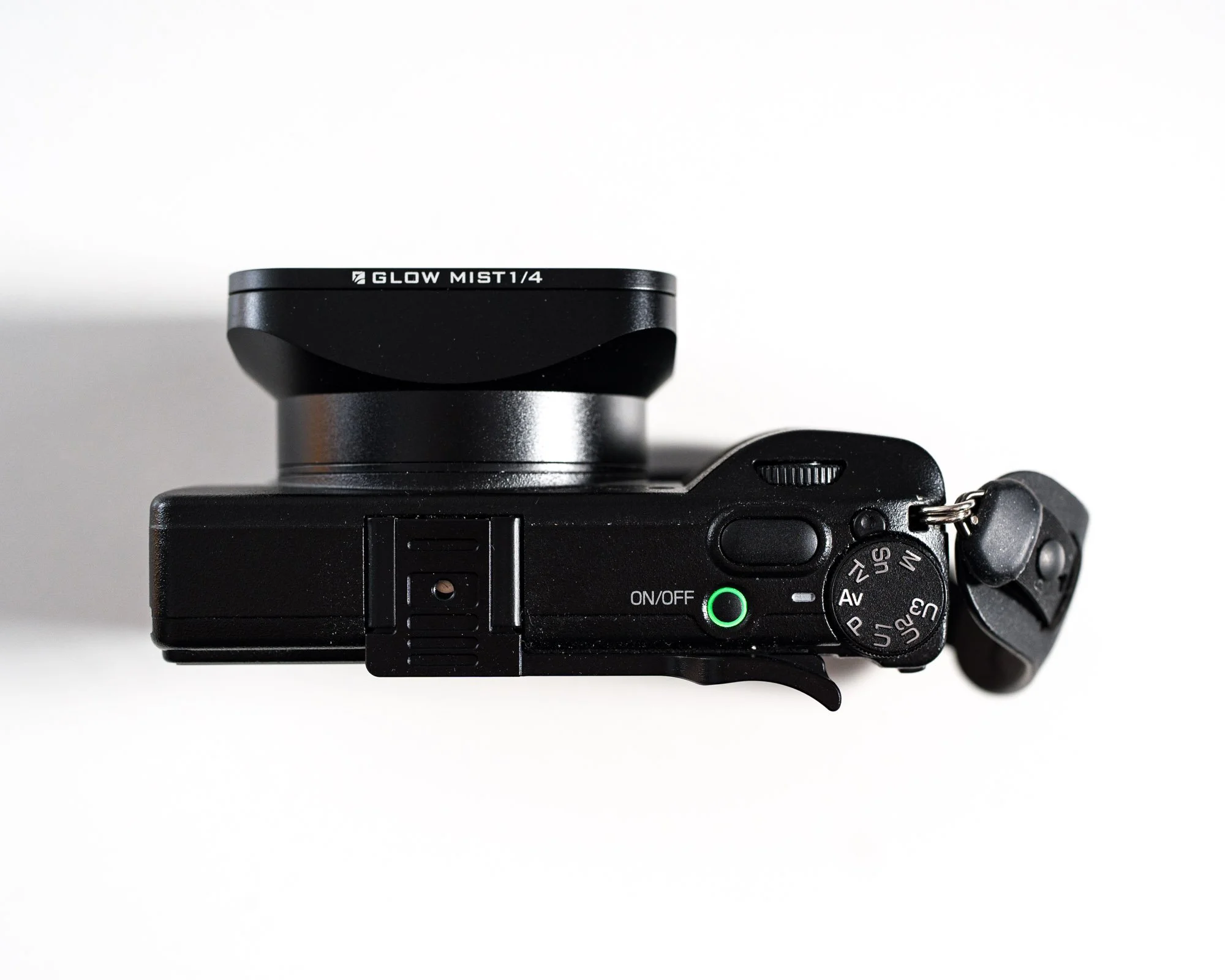
Ricoh made slight changes to the GR IV’s button layout because of quality issues with the back scroll wheel. Personally, I feel this was a cheap decision. The scroll wheel was replaced with a directional pad, but I think they should have redesigned the scroll wheel to be more robust. With the price increase, any downgrade feels especially frustrating.
I am not a fan of directional pads with preset icons where the buttons could otherwise be customized. If I switch a custom button, I risk confusion because of the logos on the pad. If I leave the buttons as assigned, it feels like the camera is telling me how to operate it instead of letting me set it up to fit my workflow.
That said, I do like the plus and minus rocker on the right side of the camera. I can see this being useful on other cameras as well, especially when a scroll wheel isn’t necessary for larger adjustments. It’s perfect for exposure compensation, allowing just a few precise bumps in either direction.
The buttons and dials still feel cheap compared to the rest of the camera, but I’m glad Ricoh managed to fit so many into this small body. There is enough customization to adjust all exposure settings, which makes the layout functional despite its feel.
Memory Options
The Ricoh GR IV earns a big win and two big losses in the memory department. On the plus side, it has internal storage, which is great because I’ll never forget an SD card again. The downside is that the internal storage is extremely small (53gb). Without regular backups, it will fill up quickly for anyone who shoots a lot of photos like me.
The other downside is that the SD card slot was changed to a micro SD slot. This feels like an unnecessary change, especially given the small internal storage. If the internal storage were larger, I wouldn’t mind, but micro SD cards disrupt my workflow since I now need to carry an adapter.
Snap Mode
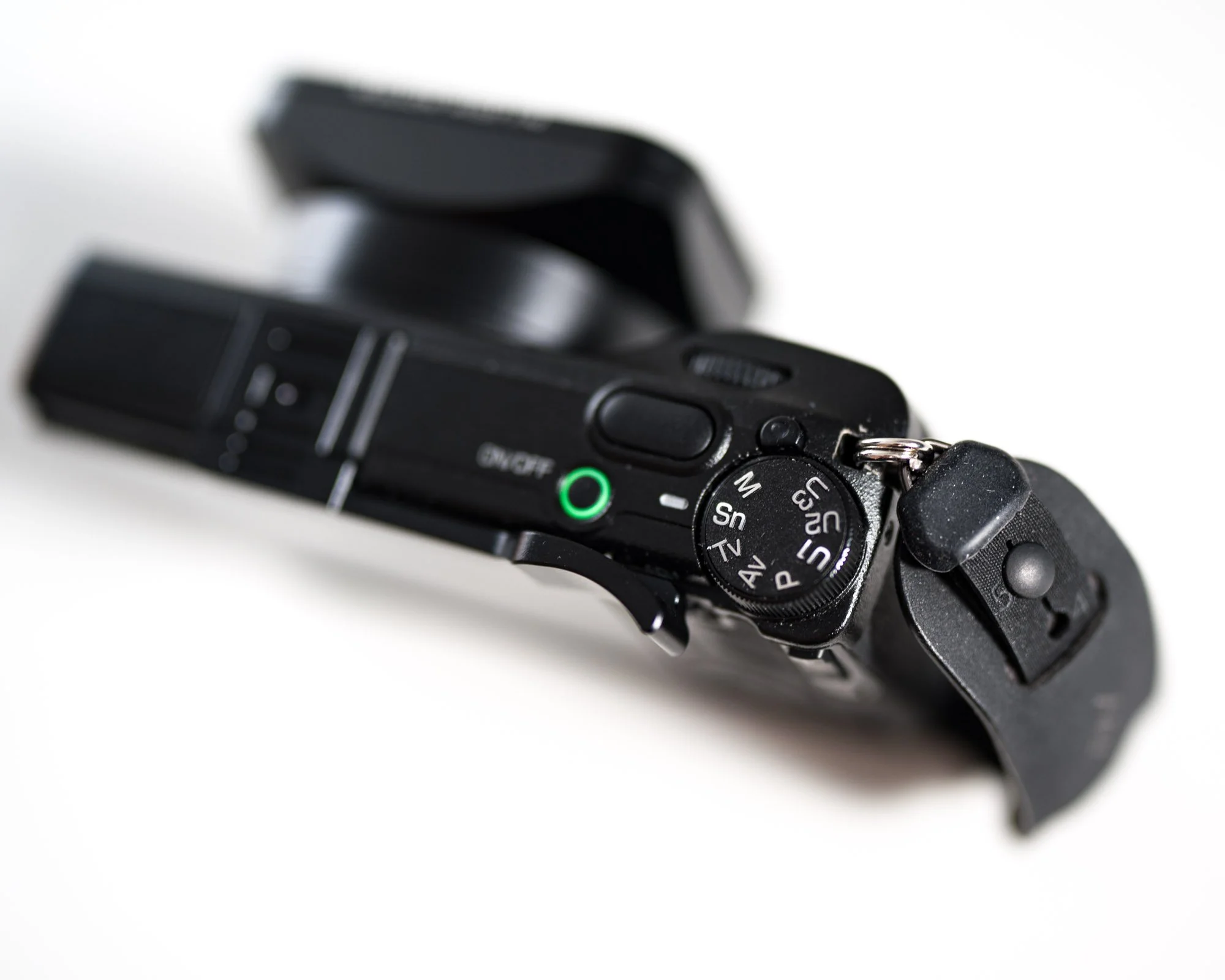
Snap Mode is one of the biggest selling points of the Ricoh series. It lets you set a focus distance, and once you memorize it, you can shoot street photography quickly and intuitively. I tried this mode on the GR III and found it works very well.
On the GR IV, I chose to slow down my shooting pace and work with more intention, rather than letting the camera dictate my style. You could argue that I bought the wrong camera if I’m not taking full advantage of this feature, but I like knowing the option is there. For me, snap mode will likely see less than 1% of use, though I’ll enable it when a day of shooting needs it.
I wouldn’t personally buy this camera for snap mode unless you are already used to zone focusing on another camera. It’s a big workflow change, and if you’re not ready for that commitment, it’s not a major selling feature.
Autofocus
Another reason I’m not the biggest fan of snap mode is that the autofocus on this camera is very good. Wider lenses typically have fewer focusing issues, especially at longer distances, and the GR IV is no exception. Using single-point autofocus, I had an almost perfect hit rate. I even took the camera on a few night photography sessions and didn’t run into any problems with focusing.
Video Capabilities
I haven’t tested the video on this camera, and I don’t plan to. Honestly, I wish Ricoh would strip video features entirely to keep costs down and focus purely on photography. It’s clear they want the GR IV to be seen as a compact street photography camera, and I wish they would focus on doing that one job as well as possible. The Hasselblad and Leica M lines have found success by focusing solely on photography, and the GR IV could follow that path. I would not buy or recommend this camera for video, and the clips I’ve seen from other Ricoh GR models haven’t impressed me.
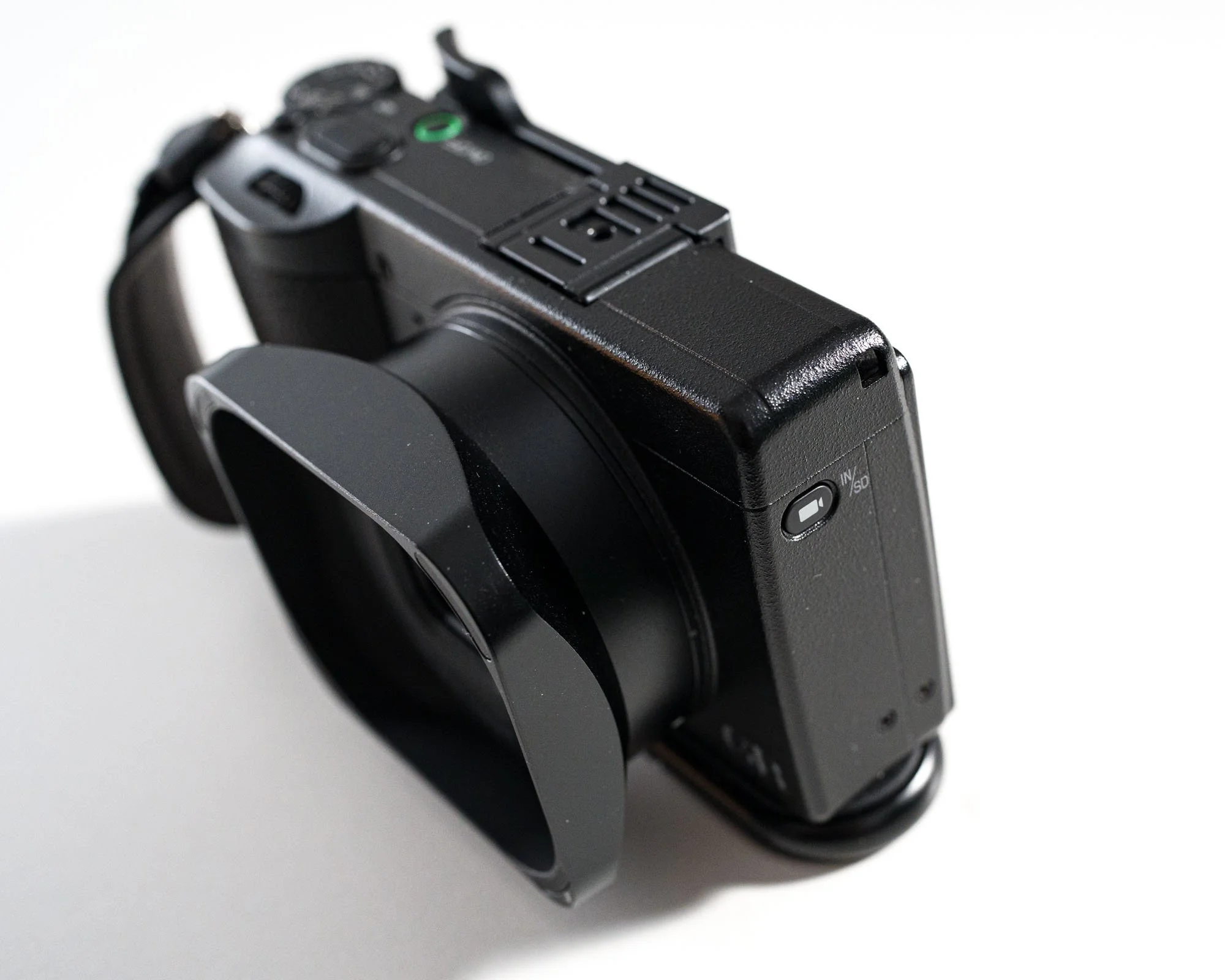
Accessories
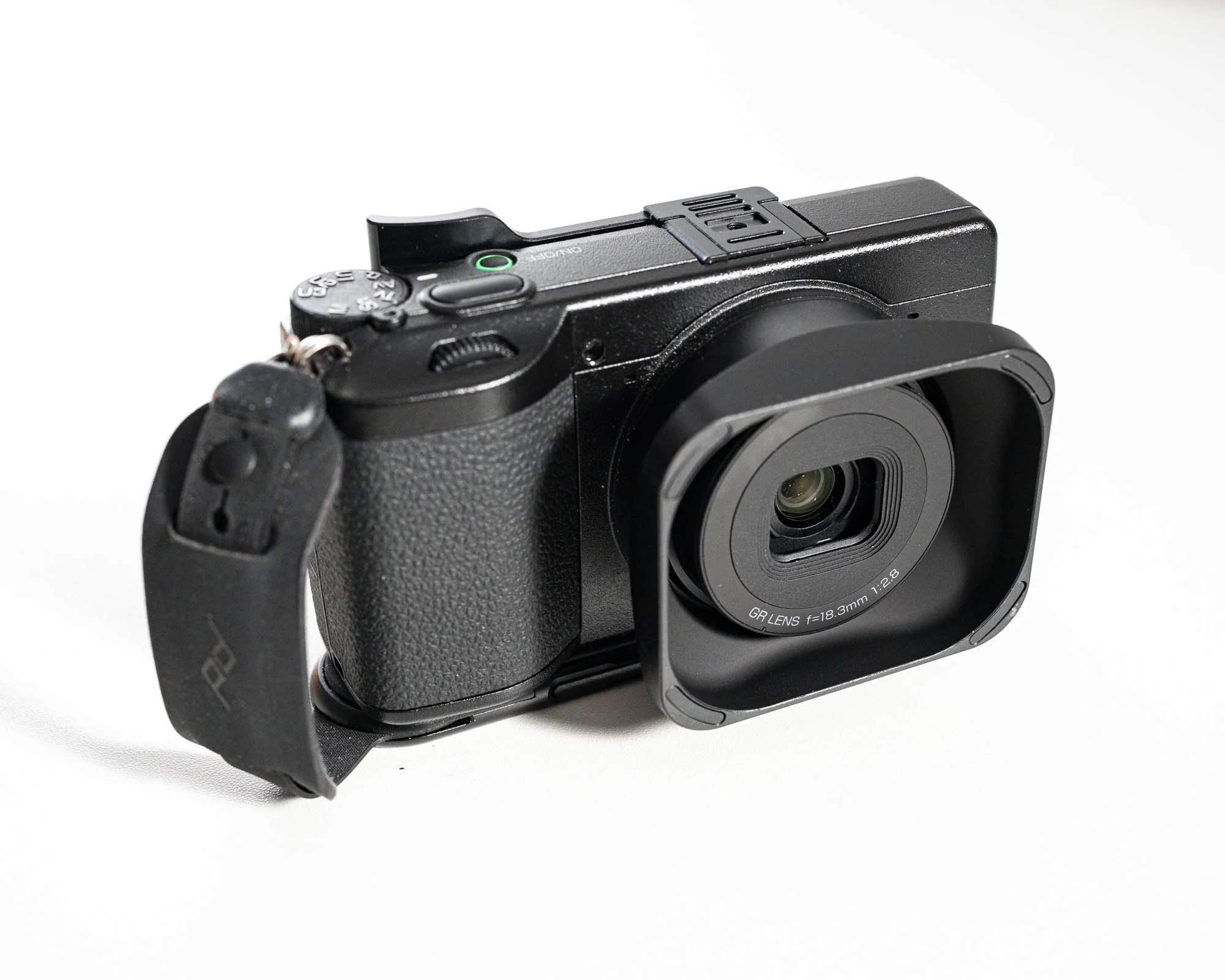
Before talking about accessories, I have to say that the GR IV felt too small for me as a standalone camera. After using it for a while, I was constantly surprised by how light it was in my bag, and I often worried I had left it somewhere or might drop it. For many people, this compact size is a major selling point, but for me it was a drawback. Accessories have been what made the camera truly usable.
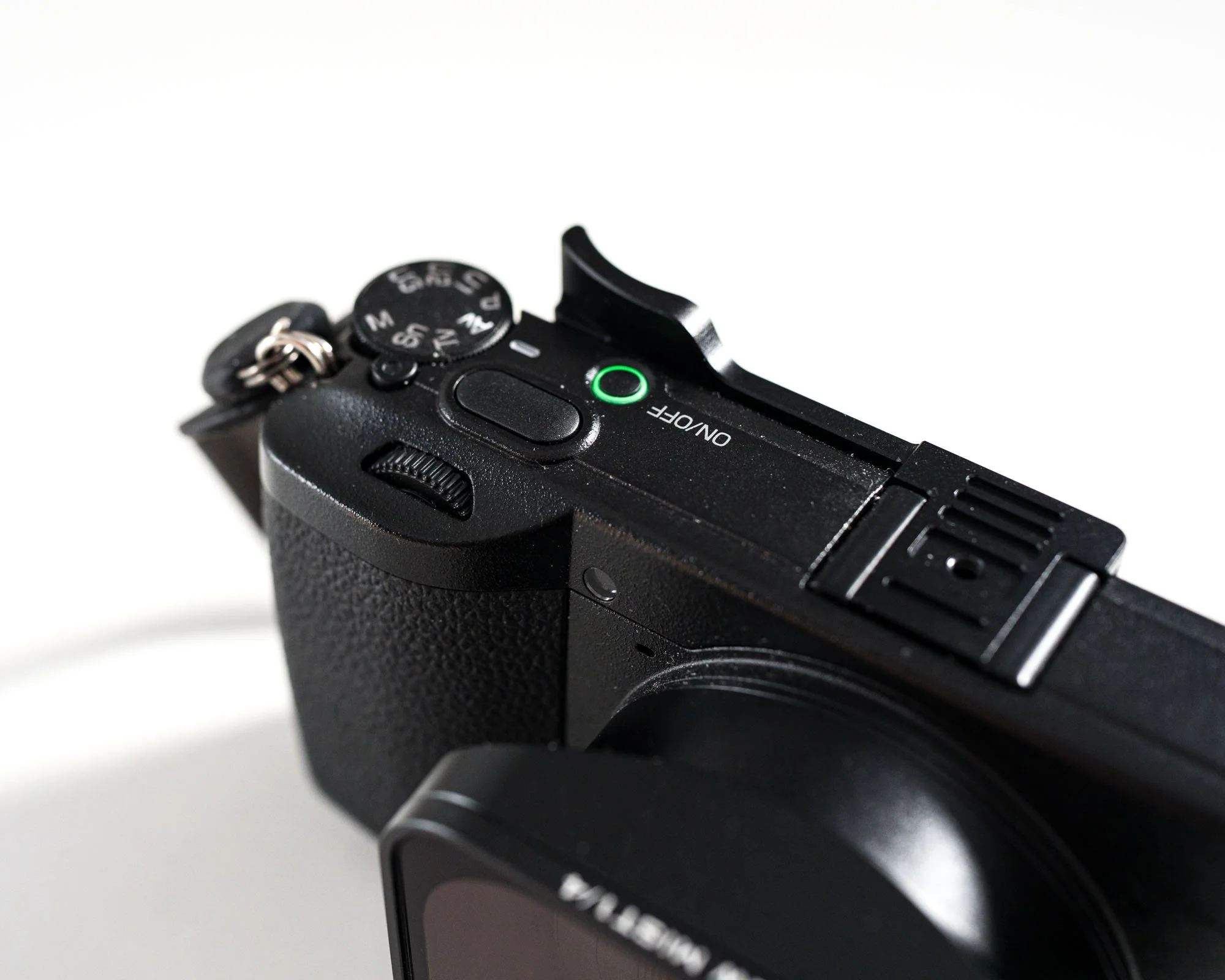
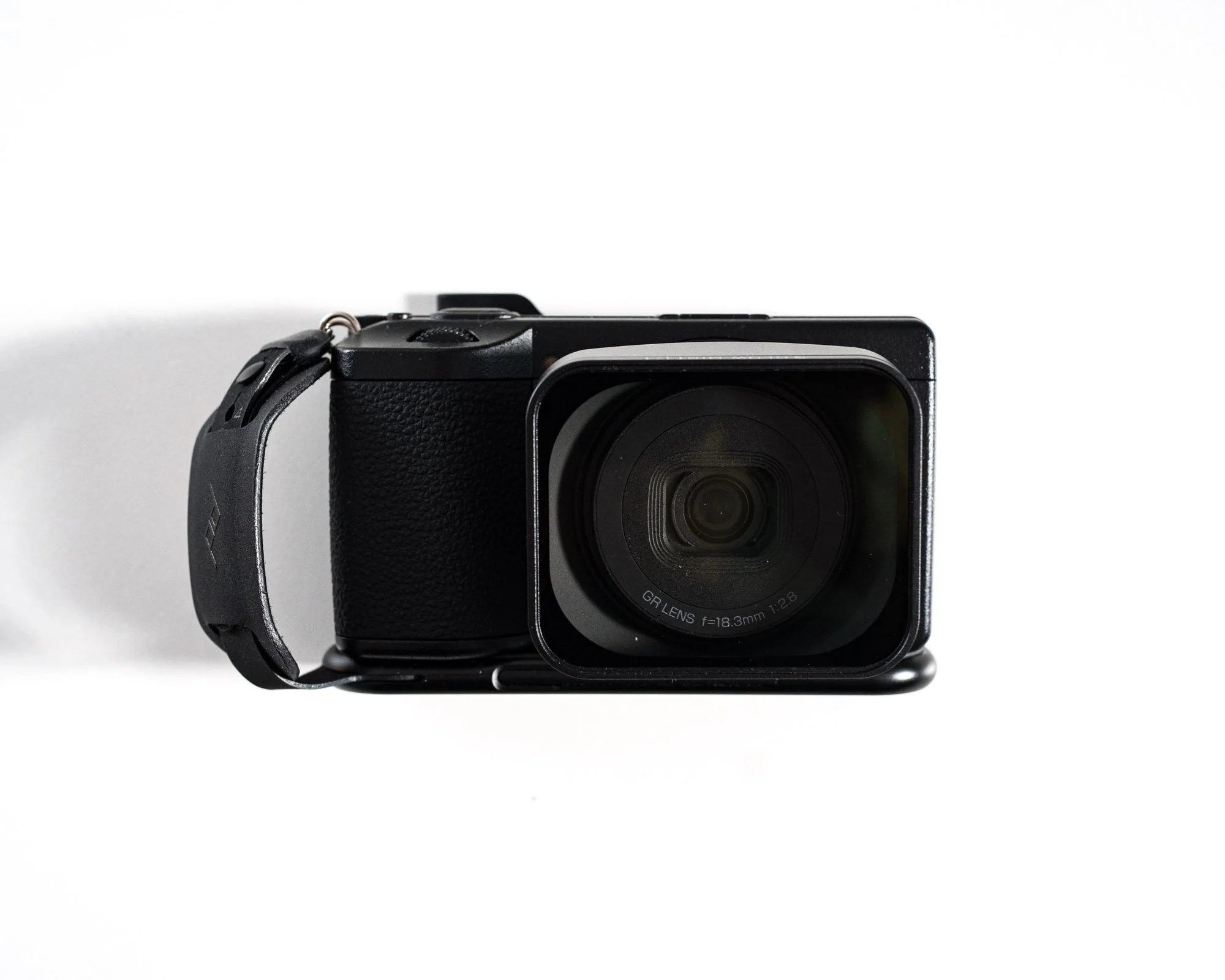
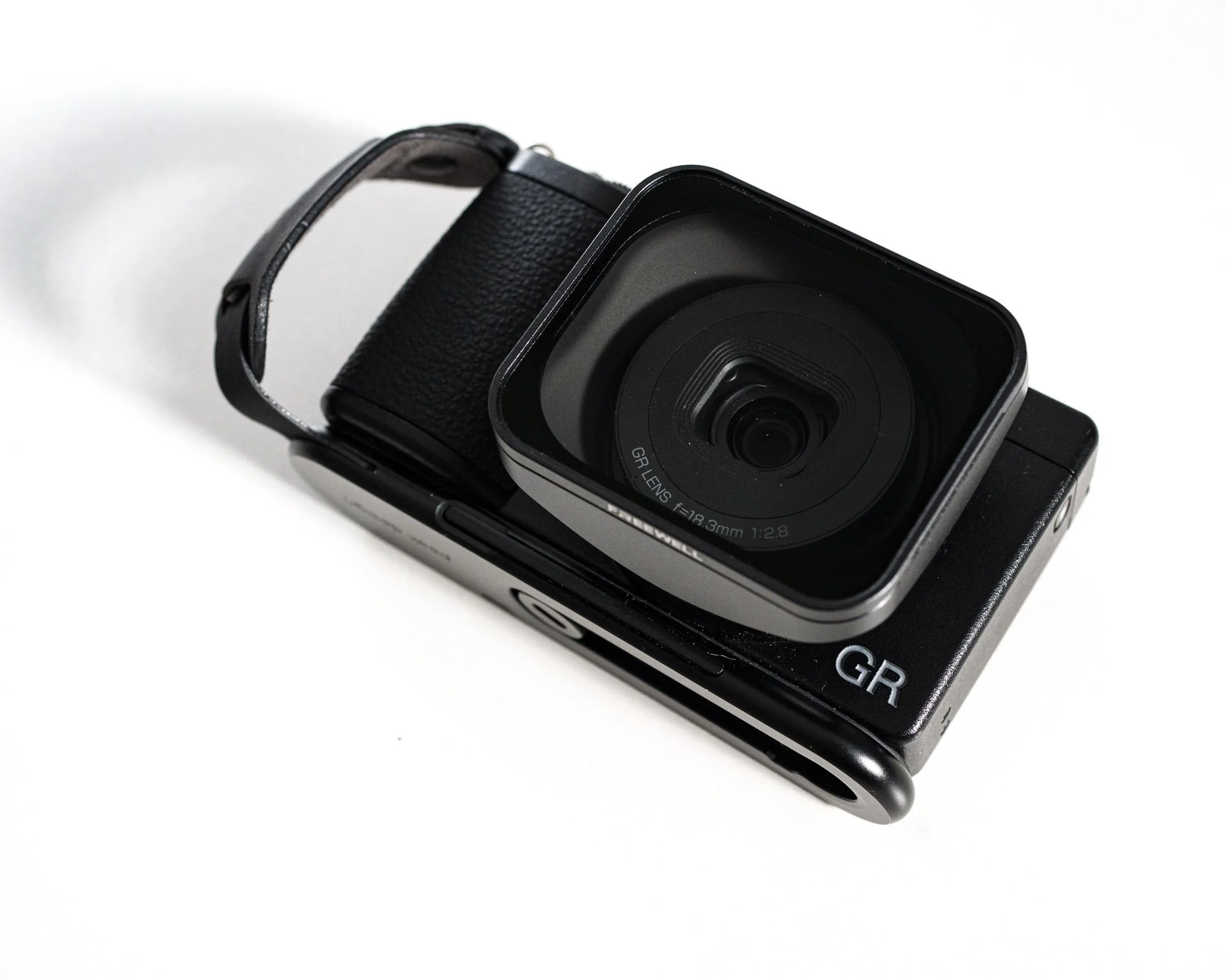
The first accessory I attached was the Peak Design Micro Clutch. It takes a little hacking to fit it onto the camera, but it protects the bottom plate from scratches and provides a lot of security when holding the camera. I don’t plan on taking it off.
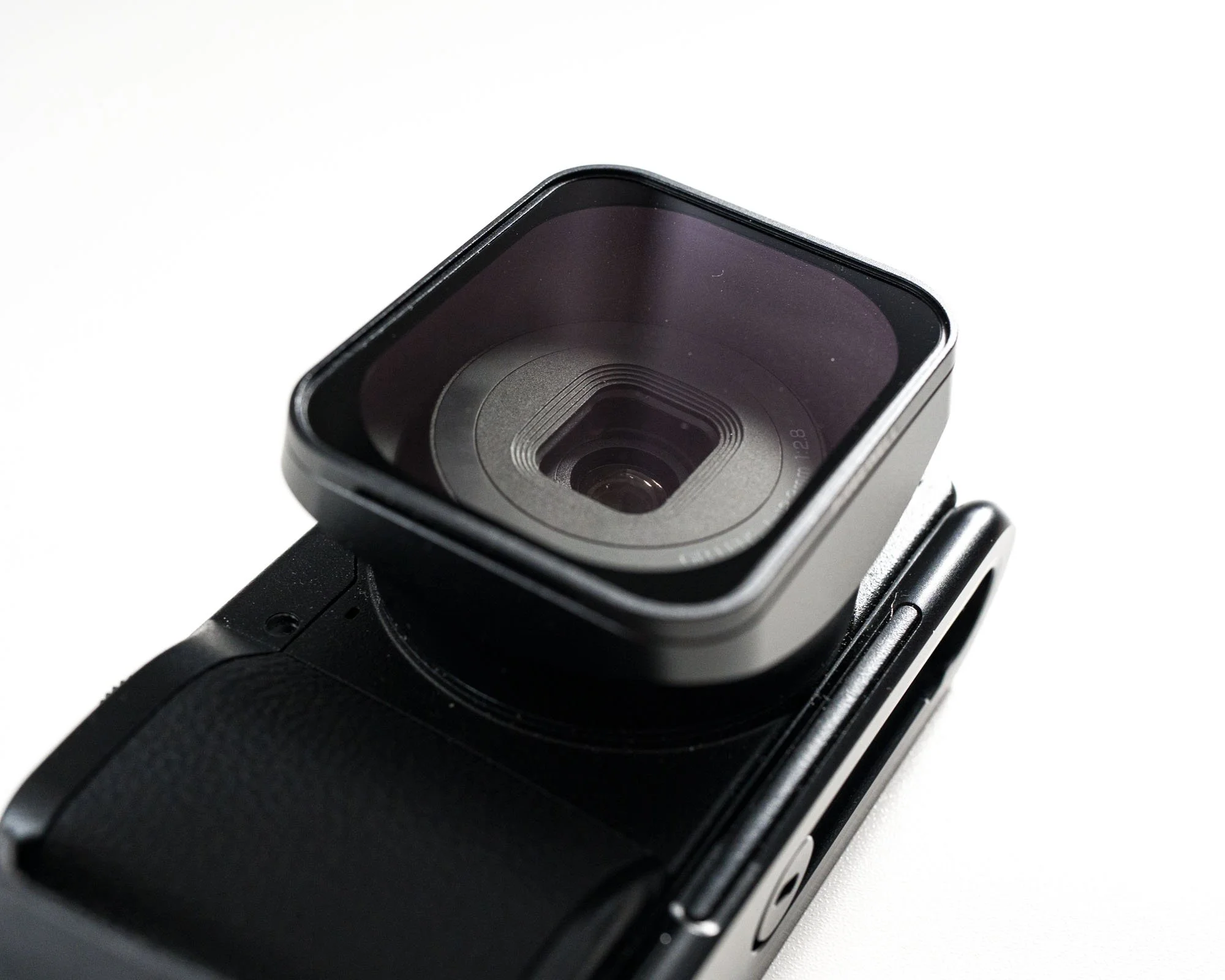
Next, I added a bundle from Freewell that included a thumb grip and lens hood. The thumb grip improved ergonomics without adding bulk or blocking any functions. The lens hood is especially useful because it came with a diffusion filter, which makes me feel better about choosing this version over the HDF model.
ND Filter vs HDF Filter Versions
At first, I was a little disappointed that I chose the original GR IV with the ND filter. I thought I would get more use out of the HDF filter since I like adding bloom to my photos. However, I realized that the mechanical shutter only goes up to 1/4000, so the ND filter is actually very handy on sunny days. It’s convenient to toggle it on and off with a button instead of screwing it on.
The HDF filter feels like a more intentional choice, something I would use for a full session rather than flicking on and off. Being able to magnetically attach the ND filter to the lens hood works well for my workflow, and I’m satisfied with choosing the original GR IV with the ND filter.
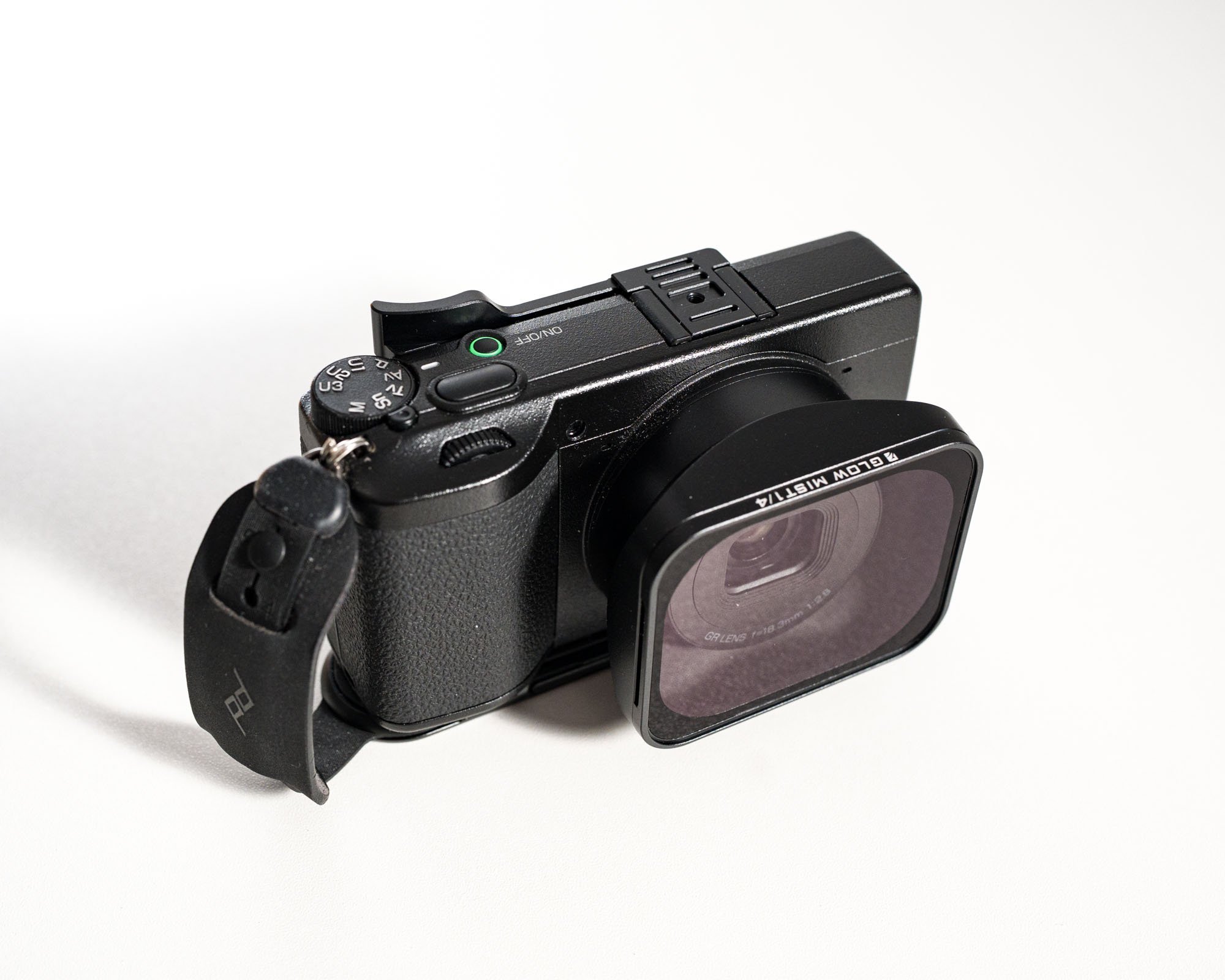
Image Controls
The image controls on the Ricoh GR IV are impressive. The original looks, like negative and positive film, give jpgs a subtle pop and a distinct character straight out of the camera. Ricoh has added new options, such as Cinema (Yellow), which expanded creative possibilities and made recipe creation more flexible.
I especially like that all of these profiles are available in Lightroom, so I can achieve the same look on a RAW without committing to a jpg. Overall, these are some of the best color profiles I’ve seen from any brand, though I would like more options for saving and naming custom recipes directly in the camera.
Use Cases
The area where this camera clearly shines is street photography. Its form factor and snap mode make it easy to capture scenes without standing out, offering a more respectful approach to street photography while still getting close to the action. The 28mm lens is iconic for street work, and the camera feels like it was designed for a specific type of street photographer.
That said, I’ve also found the GR IV excels as a travel camera. It’s lightweight, and the 28mm lens works well for landscapes and portraits. With a slightly more aggressive price and a bit more durability, this camera could easily carve out a larger space in the travel market. For me, it will primarily be a travel camera, but it will also serve as my dedicated street photography camera in the city when I’m not using my Leica M6.
Value
The Ricoh GR IV comes at a steep price of $1,496.95, compared to its predecessor at $899.95 (original price). At this price point, it’s hard to argue that it offers broad value. It’s a very niche camera, but among niche cameras, it has one of the widest audiences I’ve seen. Unlike something like the Sigma BF, which is more of a showcase camera, the GR IV serves a clear purpose.
Its main appeal is for photographers who want a true pocket camera or who do fast-paced street photography, where knowing your distance to the subject is more important than waiting for autofocus. I think anyone living in a popular street photography city should consider owning this camera, and primary video shooters looking for a fun, compact travel camera might also find it useful for quick snapshots.
Final Thoughts
If money were no object, the Ricoh GR IV is one of the most fun cameras I’ve used. I have my nitpicks, but its size-to-performance ratio makes it a very capable tool. It’s fixed at my favorite focal length, 28mm, which is a big part of why I enjoy it so much. If 28mm is your favorite too, you’ll likely love this camera.
That said, if you’re early in your photography journey and unsure about committing to a single focal length, this isn’t the right choice. Buying it new is a serious investment, and you could spend the same money on a camera system with multiple focal lengths, or buy a used Ricoh GR III for much less.
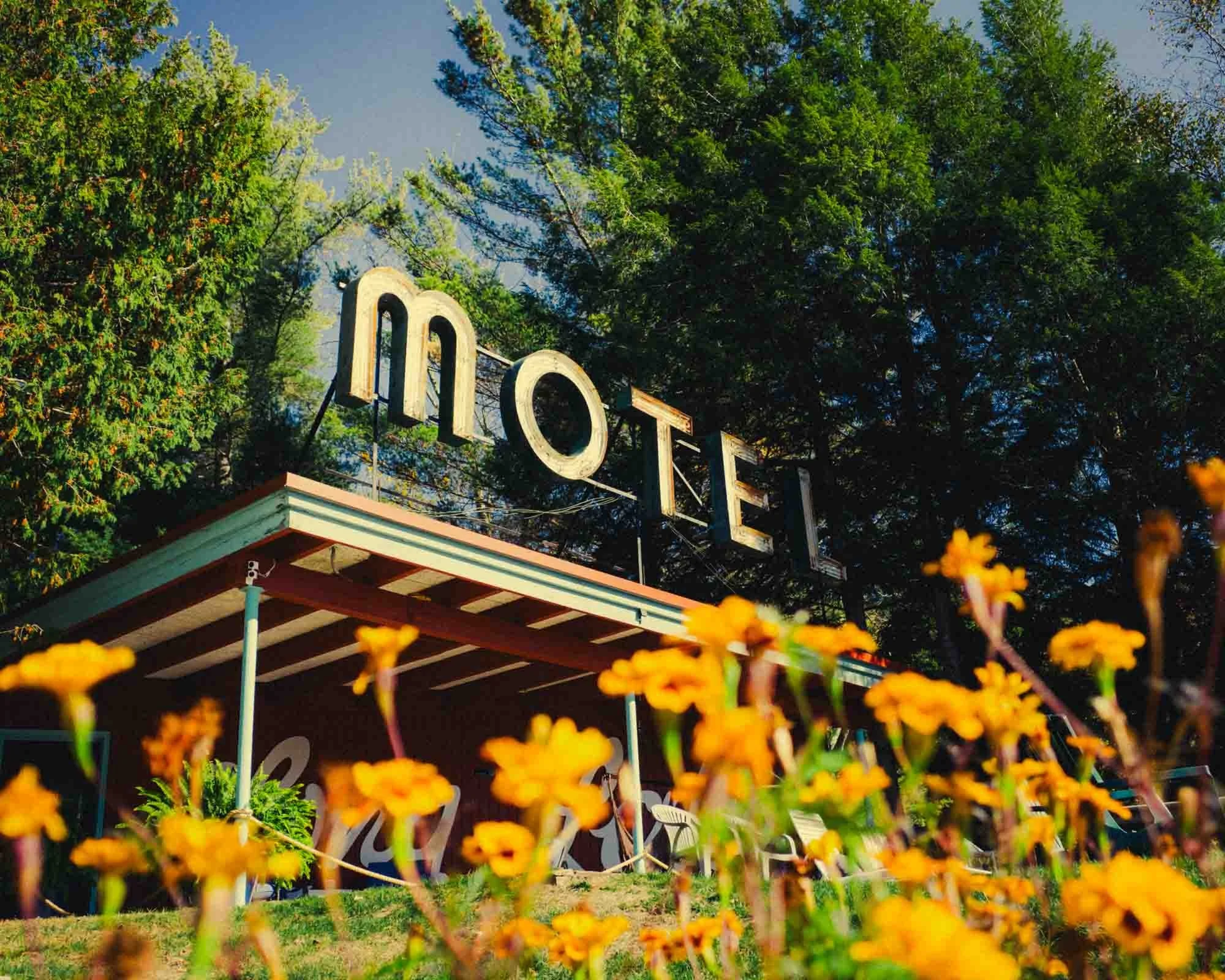
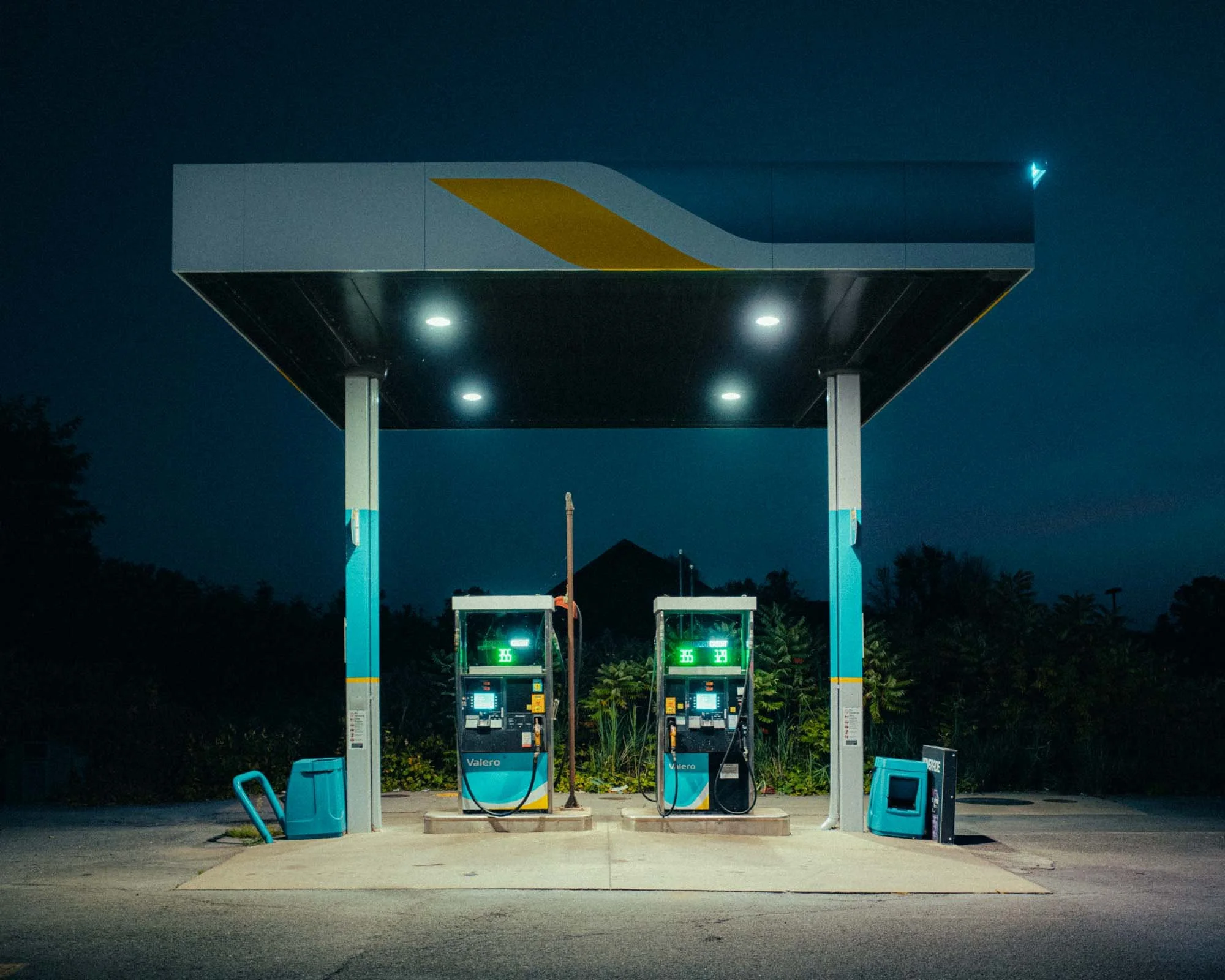
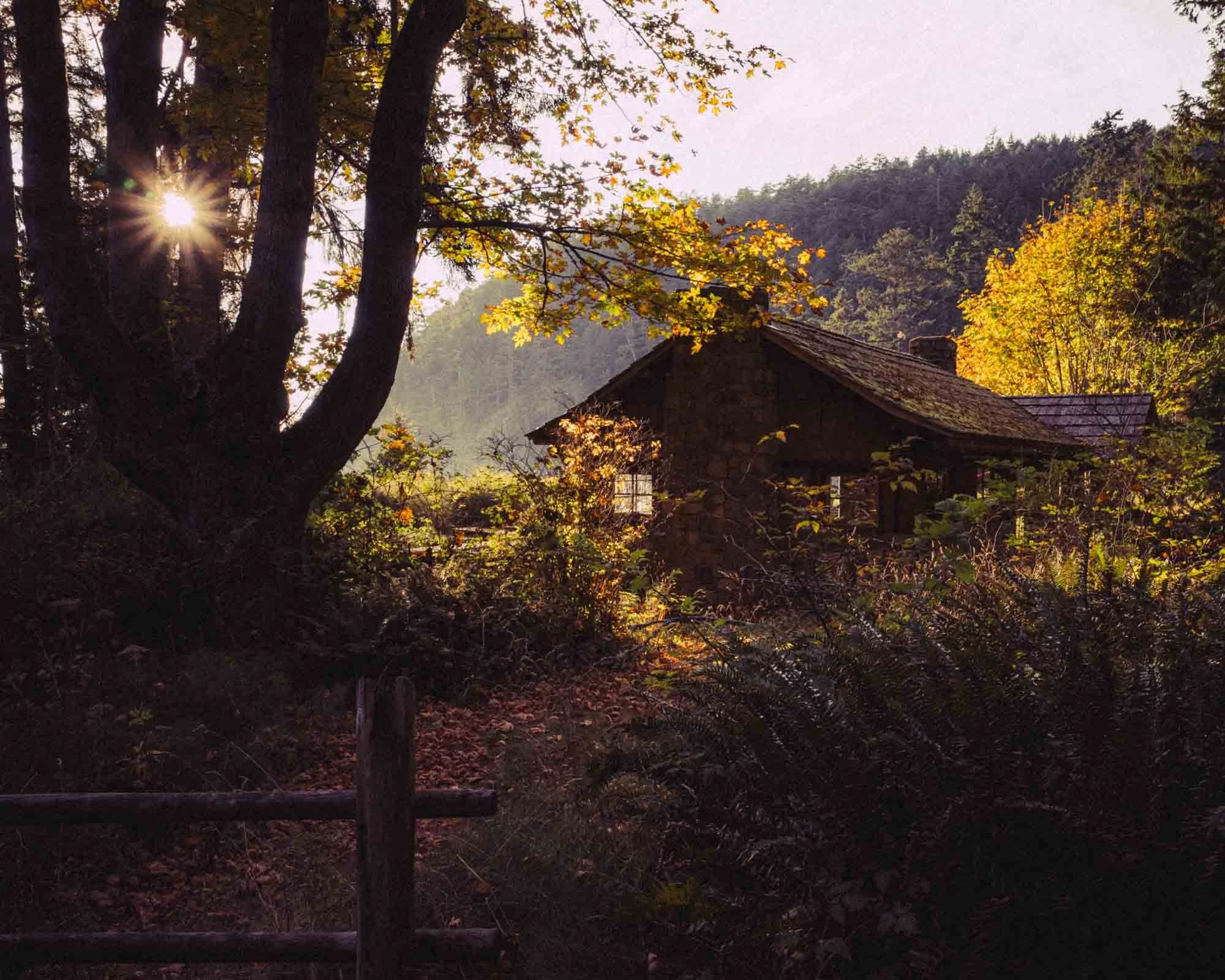
Example Photos
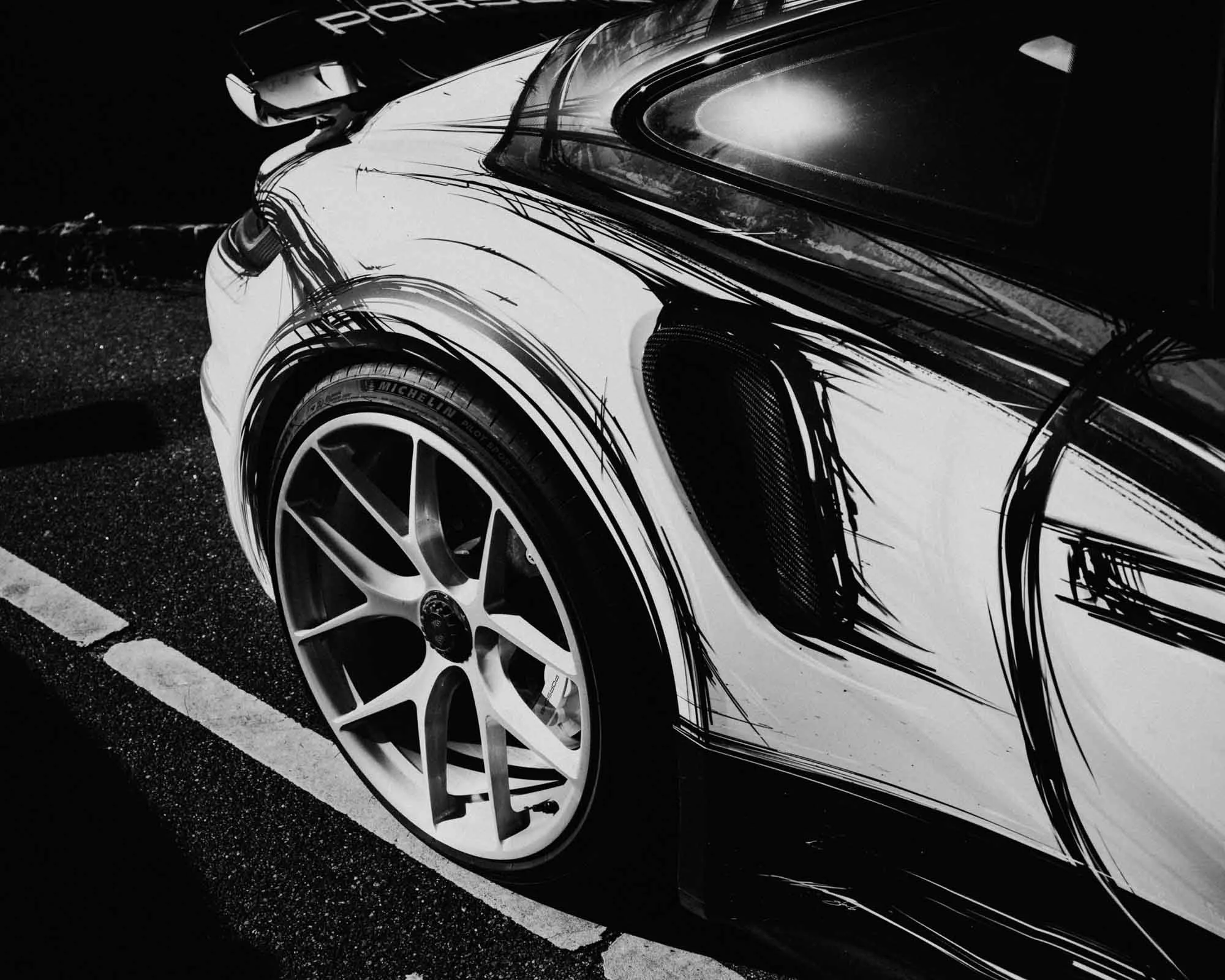
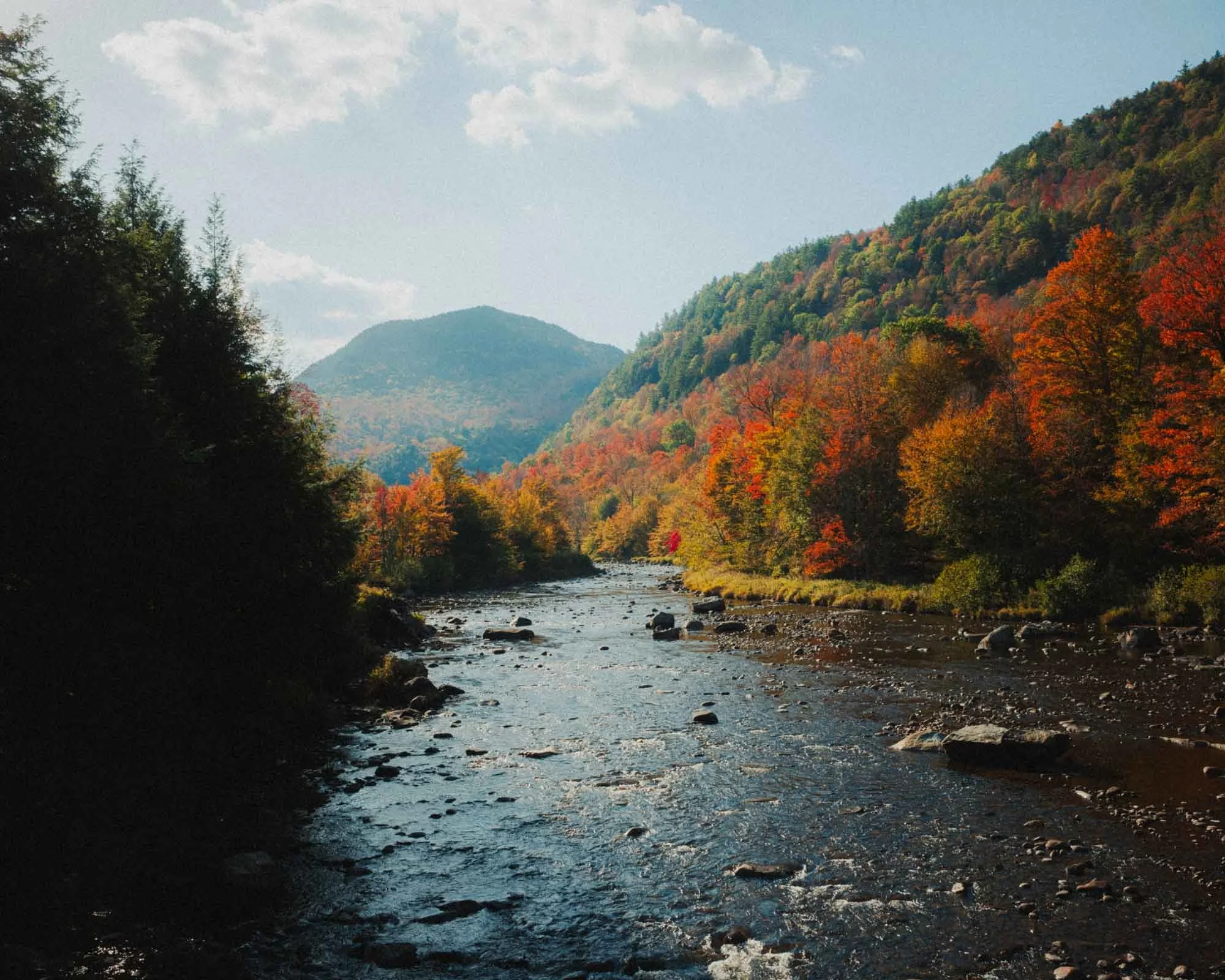
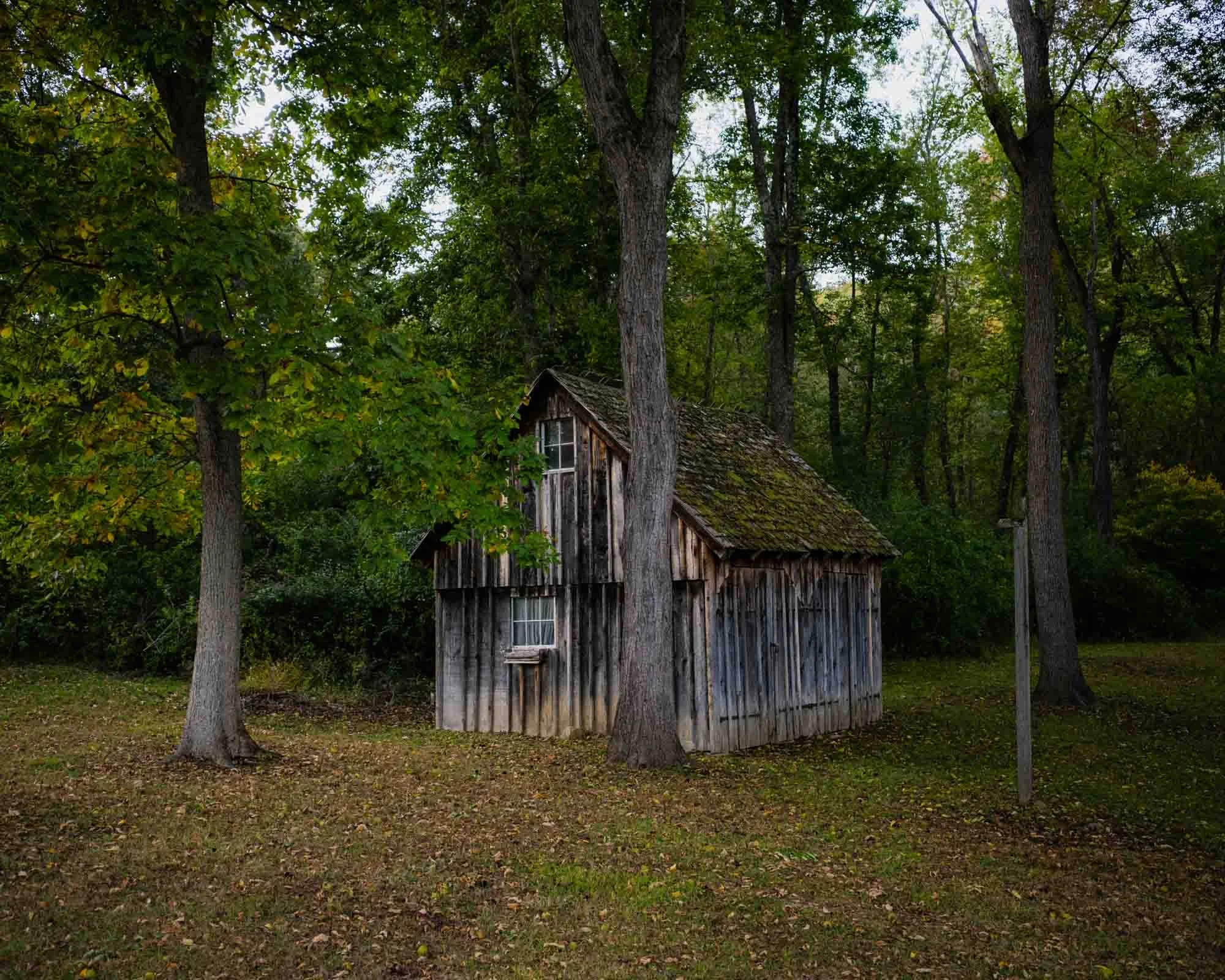
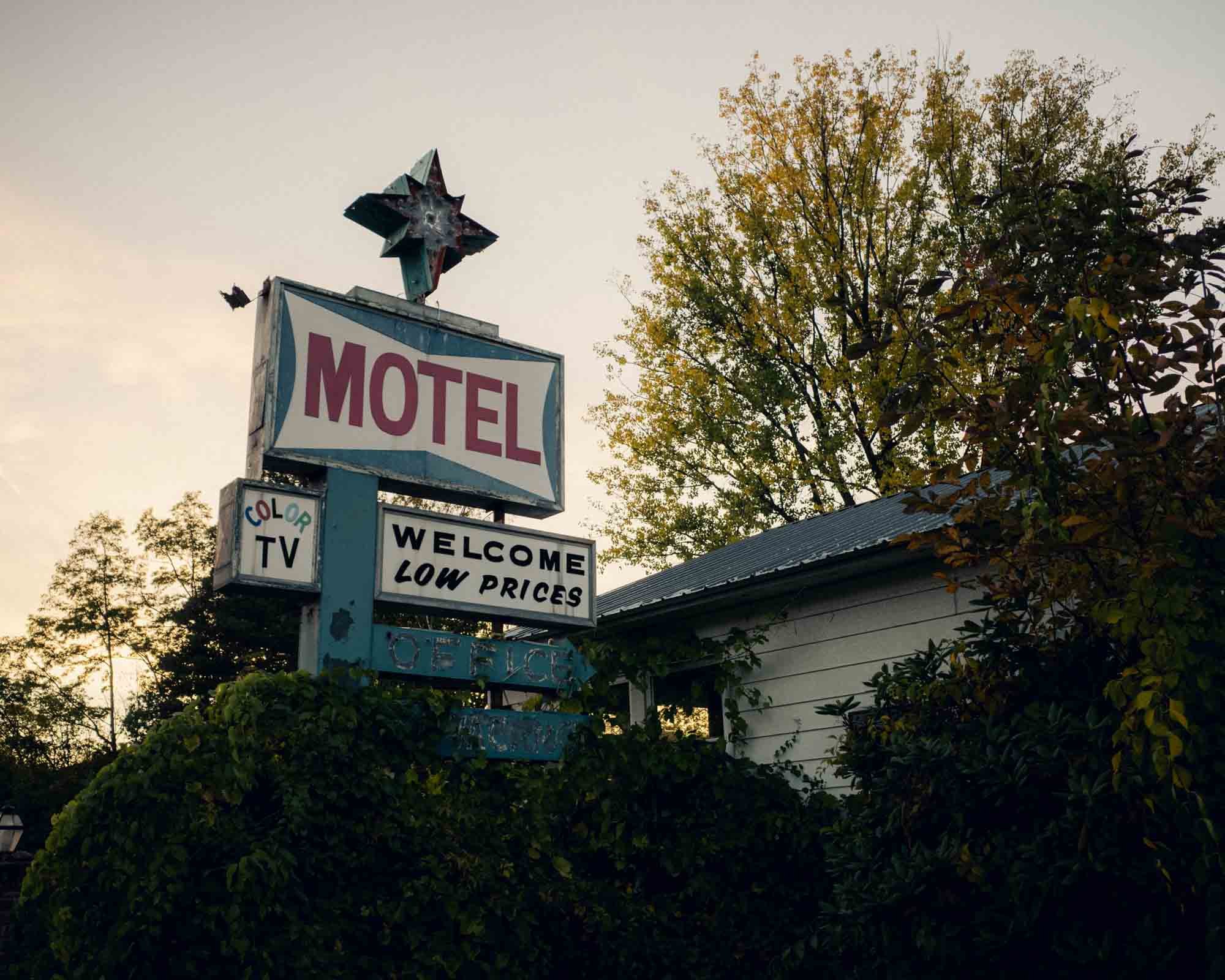
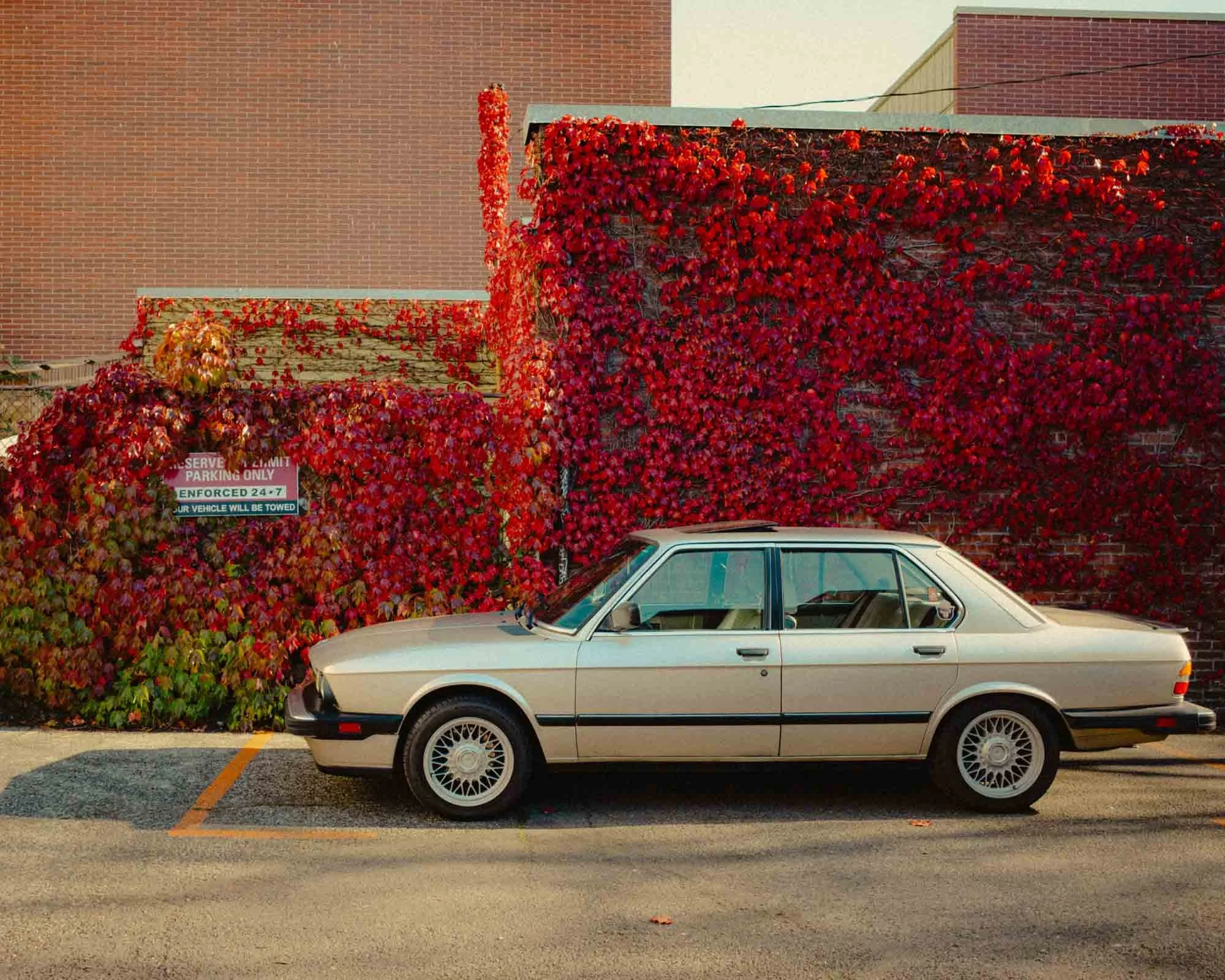

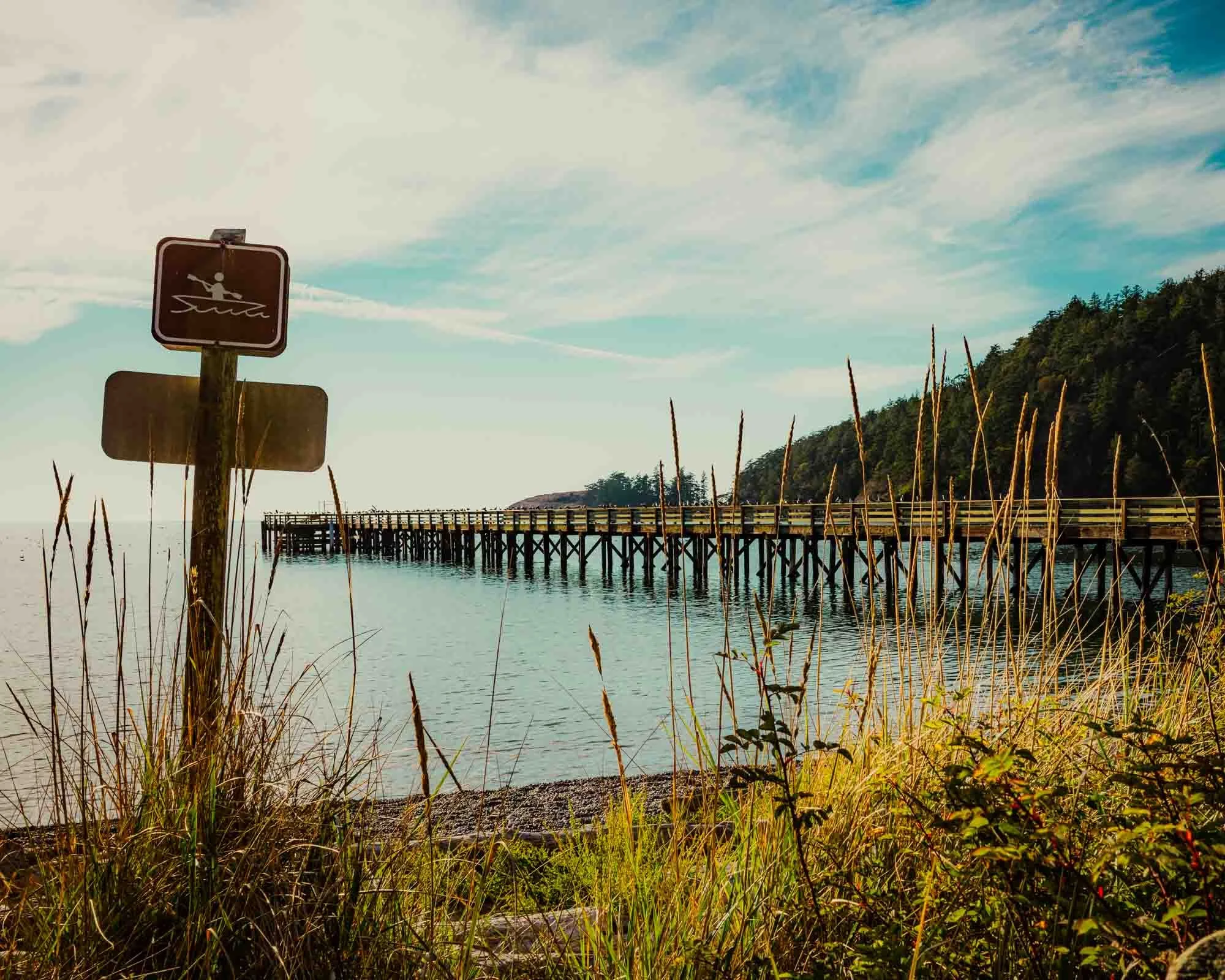
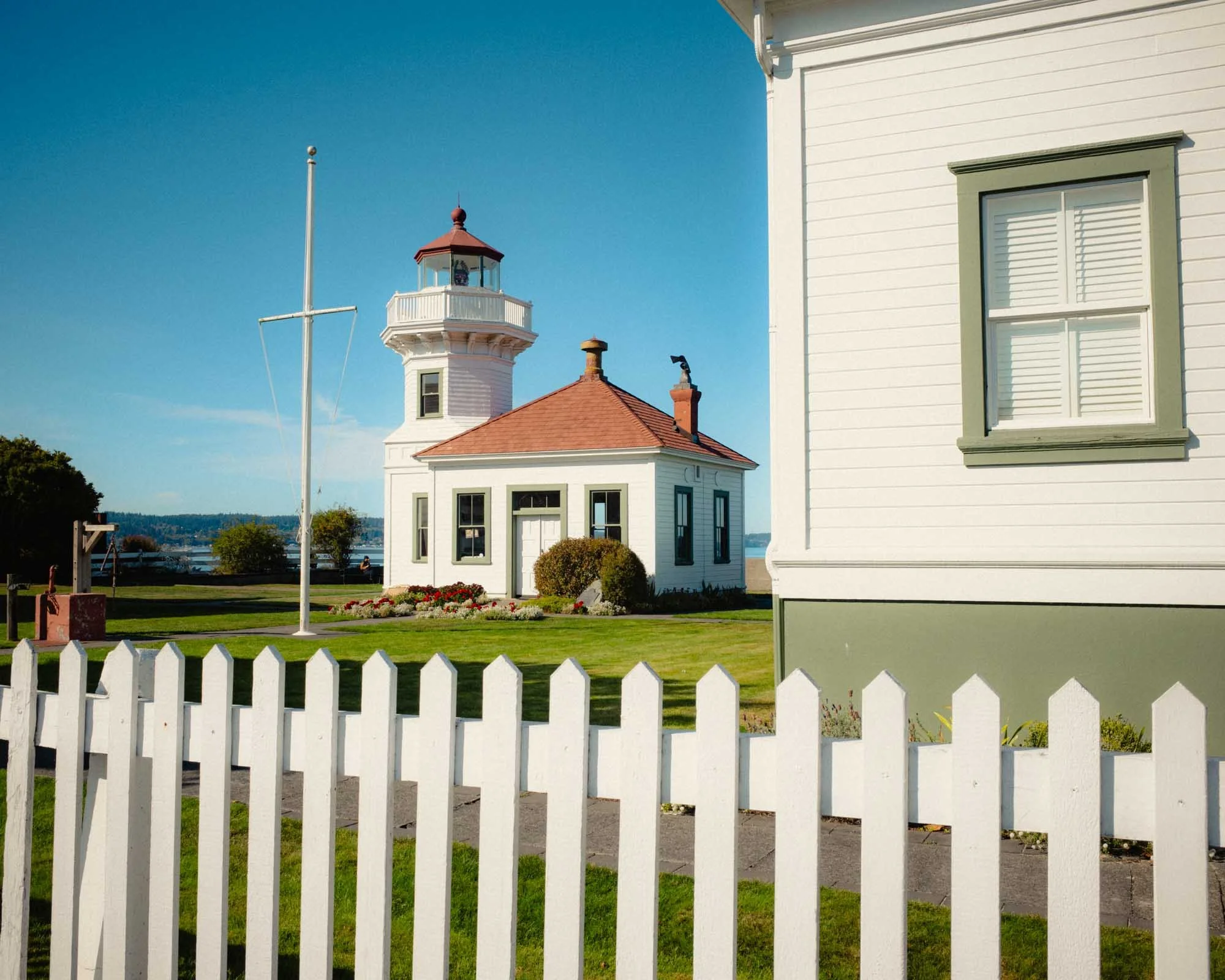
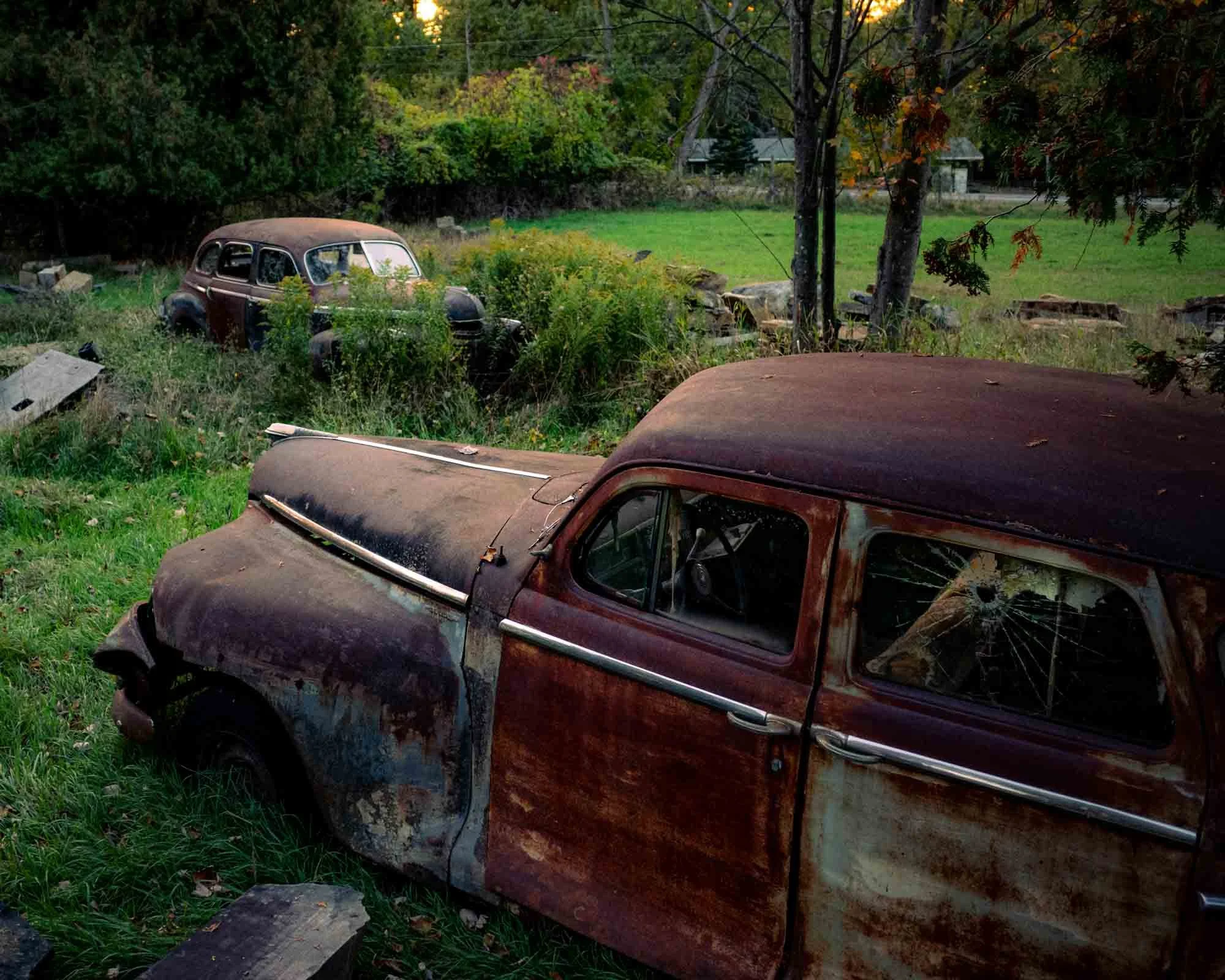

Eight Lightroom Presets by Kyler Steele - Anemoia, Essence, Illume, Kismet, Liminal, Sublime, and Timeless
What are Lightroom Presets?
Lightroom Presets are custom editing settings that instantly apply a specific look or feel to your photos. They help speed up your workflow and maintain consistency with just one click.
What does this purchase come with?
Your purchase includes a ZIP file containing another ZIP file with the customized presets and one PDF instruction guide to help you install and use them properly.
Why Lightroom Presets?
By purchasing these presets, you gain direct access to the exact tones, colors, and adjustments I use in my own work. You can use them to build a cohesive visual style, learn my editing approach, or develop your own signature look.